Blog

The Stories We Inherit: What We See & What We Miss

By Social Artist Anike Tourse • Equity and Representation Lead @ New Day Films
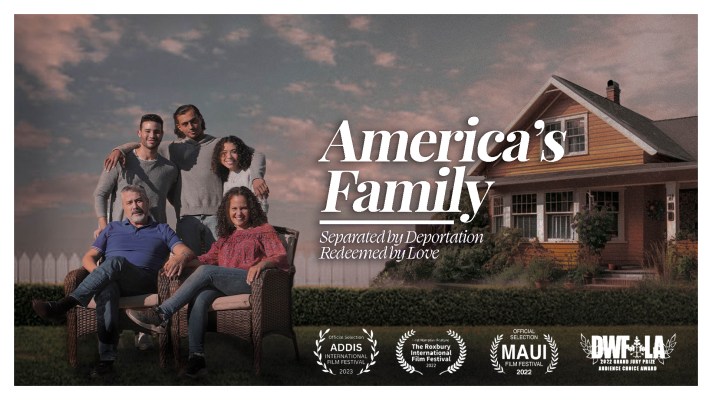
By the time I was eight years old, I knew two things: that I wanted to be an actor, and that I was different when it came to race and culture. A few decades back, there was not a Zendaya plastered across social media (or even social media) for contextual representation. Growing up as an interracial and interreligious girl, I lived with a consistent line of “what are you?” questions pecked at me wherever I went in my suburban community. I never liked the idea of explaining myself to people I barely knew, and when people called me “exotic,” I thought right – as exotic as Newton, Massachusetts.
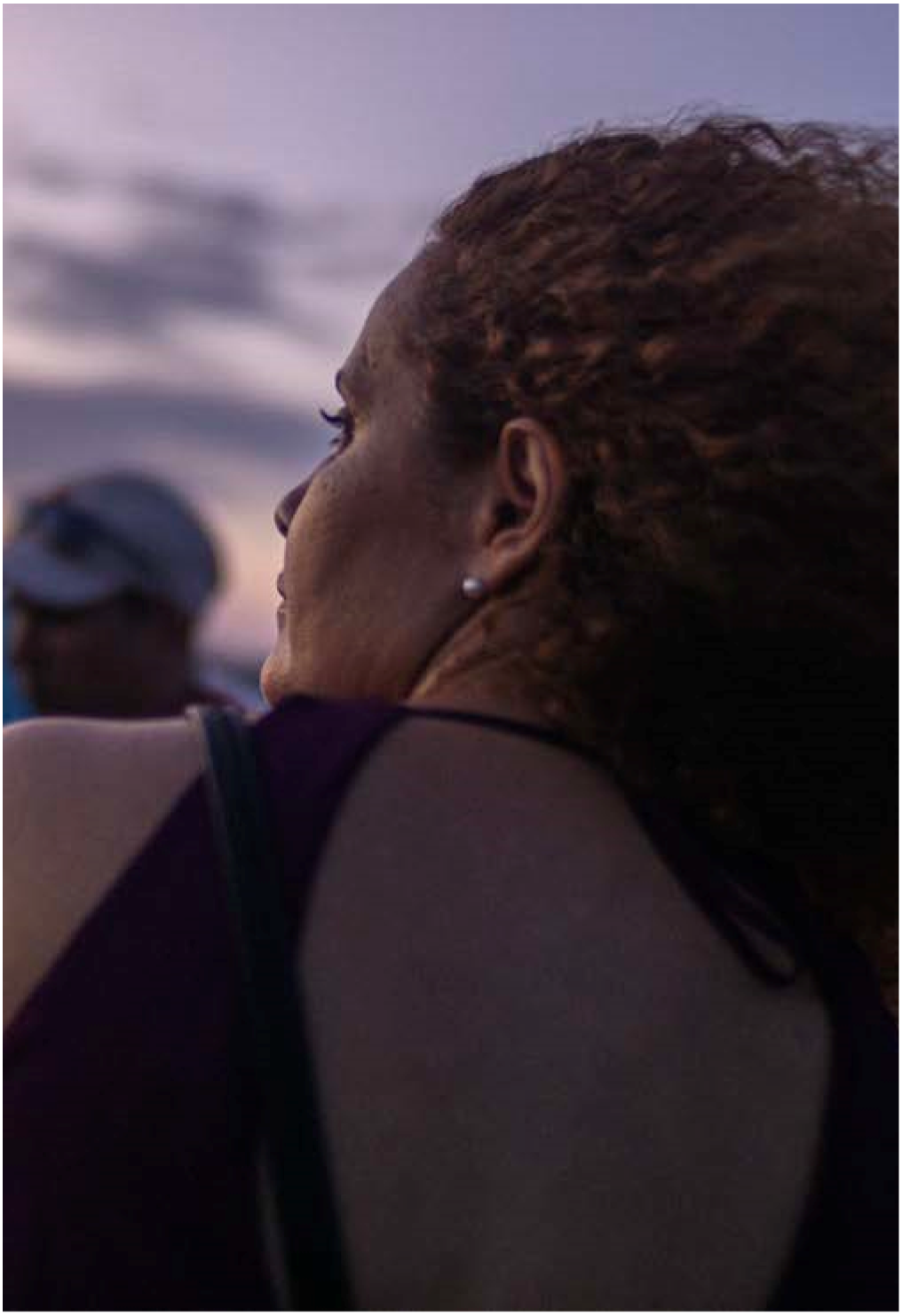
When I was cast in my first major role as Peter Pan at nine, with a loose afro poking out of the sides of my green feathered cap, the confusion subsided, at least temporarily. Acting, at its best, is the art of a chameleon where a physical and emotional transformation is not only anticipated but hoped for. I enjoyed embodying someone else and had an ease on stage. Audiences didn’t seem to be concerned about my racial and ethnic identity, likely because they were distracted thinking about themselves in relation to whatever character I was portraying.

I built a career around solo performance work; writing and performing a one-woman show about abolitionist and women’s rights activist Sojourner Truth (I look nothing like her) and comedies about braving world travels. When I ultimately landed in LA to move into film and television, where “type” is king when it comes to casting, it was clear that I was going to run into problems.

I had an unplaceable look which casting directors and agents felt important to      Filmmaker, Anike Tourse reference. Not that this kind of perplexity was something new in the industry. The fair skinned black entertainer and cultural icon Lena Horne, whose career rose during the segregated 1940s, shared how Hollywood directors would tell her, “We like you; we just don’t know what to do with you.”

My moving to LA coincided with the World Trade Center collapse and soon thereafter, Operation Tarmac; the massive sweep of airport workers accused of being accessories to terrorists. It was shocking to see hundreds of young mothers detained and separated from their nursing babies at the hands of the Bush Administration and, worse, that it was all happening right under the nose of a seemingly unaware American public.

So, I began to work on my first feature, crafting a docudrama about the separation of a mixed-status family. For all the years of awkwardness I experienced growing up looking ambiguously brown, my appearance served me well during film ethnographic research.

I moved through Angelino Latinx communities unnoticed and traveled back and forth to Mexico without as much as a second glance from anyone. I started to feel like I was some sort of undercover expert ethnographer, interviewing and observing quietly while seamlessly avoiding attention. While I learned Spanish over several years, dialect actor training helped me pick up the local accents quickly. Even with a limited vocabulary, perhaps my looking like someone’s neighbor or a cousin made the strangeness of what I was doing easier for people to accept.

In all this time, I never thought I was making the film from the perspective of an “Ally.” I was just looking for a doorway I could walk through, a way to belong to this community, to understand it, to slip in under the radar and be seen as one of them. I suppose I was trying to pass, although honestly I never thought about it that way (maybe no one ever does). I moved to Mexico City, and fortunately met a local filmmaking professor who advised that if I was going to put myself in the movie, I had better visit Afro-Mexican communities so that my presence would be believable. “There are black communities in Mexico?” I asked in surprise.

During that time, living in the biggest metropolis in North America, Mexican friends and colleagues insisted that while racial and cultural mixing between European Spanish and Indigenous Mexican likely led to classism against Native Mexicans, that a mixed identity involving African ancestry was not a thing. They also said that racism was an American construction and so there was no point looking for it in Mexico. I might have almost believed them except that I knew what it meant to be from black people and how racism had a way of looking for you. So began an investigative journey through the state of Guerrero and the Oaxacan coast, in search of Black Mexico or Afrodescendientes. Once I found them, I felt like I was home.

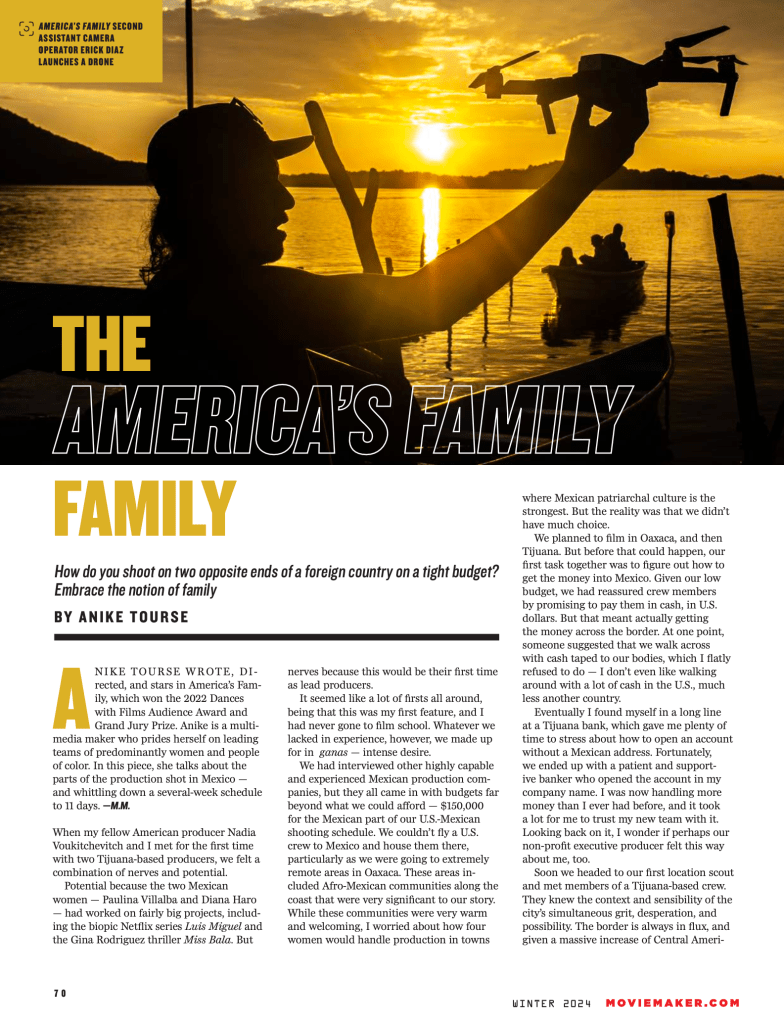
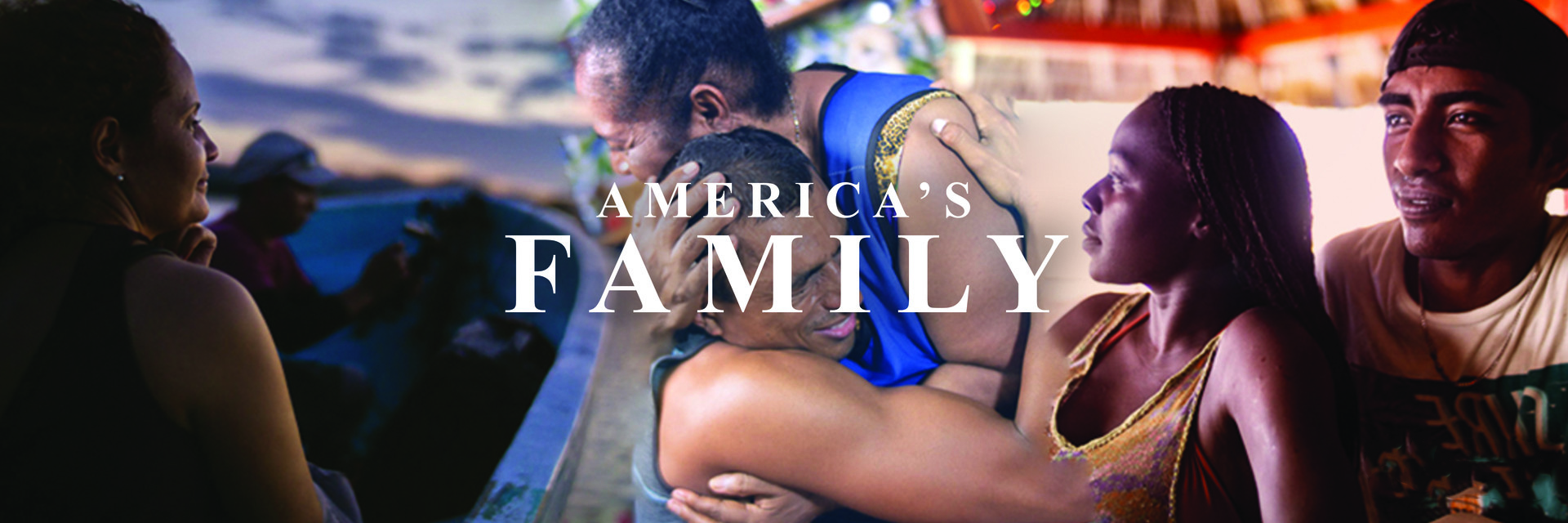
America’s Family – Black Mexico Banner
The politics of culture and representation are real and complex. When filmmakers culturally appropriate stories, sharing incomplete mythologies of experiences that are not their own, they can perpetuate the same misinformation, the same tropes, the same incomplete ideologies, and many of them have. Martin Scorsese must direct Leonardo DiCaprio in a movie about native American genocide for anyone to care about it; James Cameron creates an animated franchise starring a white Marine who leads an indigenous community out of the chaos while exemplifying imperialistic views. And even smaller-scale filmmakers, despite good intentions, can fall prey to blinders, missing essential context as we direct a narrative that may be culturally off the mark.

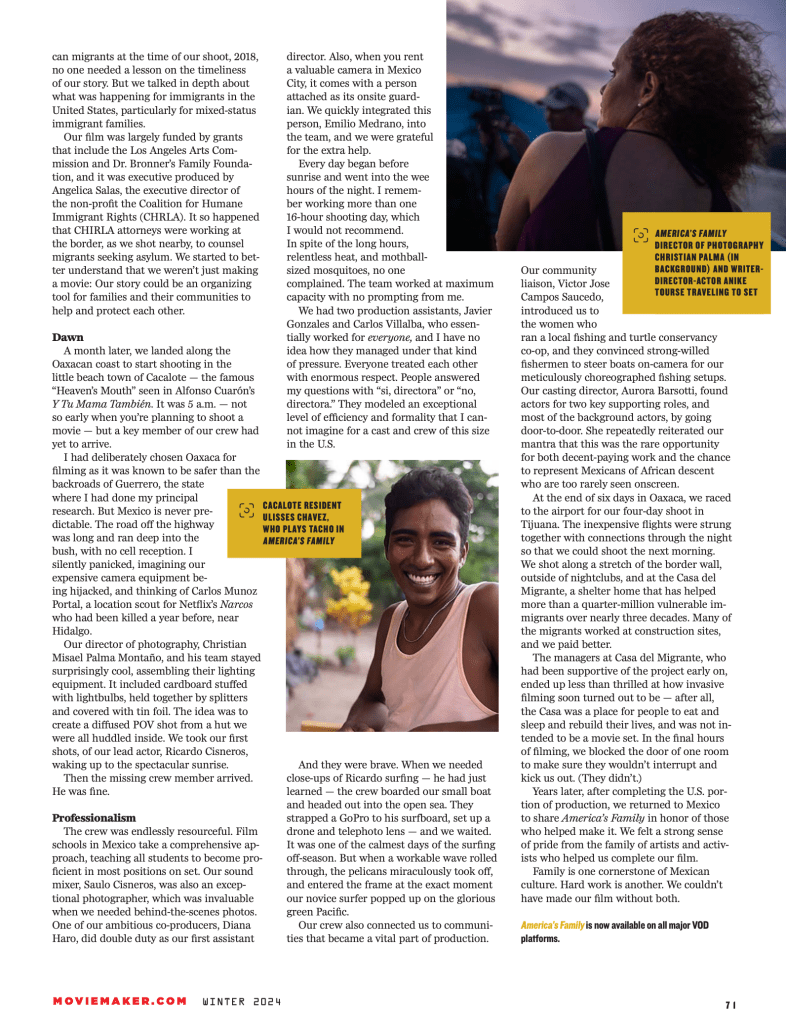
Well into production of America’s Family, as I straddled both acting and directing in our  Thanksgiving dinner scene, our Mexican acting coach halted shooting. “Why are we not seeing more love here?” she asked. This is a Mexican-American- Salvadoran family, right? There is very little affection for this being a Latino family. Isn’t today supposed to be Thanksgiving after all?” It seemed impossible that after more than twenty years of studying, working, and living in both Mexican and immigrant communities, I could have forgotten to represent something so simple yet so important of the culture on film. Fortunately, at her suggestion, we relaxed. There was more touching and even hugging and a kiss. It takes a village to make a movie.

I had to come to terms with the fact that no matter how hard you work at it, there are things that you miss when enacting a history that is not your own. Learning a language later in life is not the same as it being the first words you hear when being born into the world. Some people may not like the sound of “ally” because they think it sounds social justice-performative. I guess I never liked it because “ally” sounded to me like a fancy word for “outsider.”
It wasn’t until reading the piece by my colleague, Mark Decena (Farming While Black), that I began to expand my view on what being an ally could really mean. Mark openly discussed his vision of allyship from a position of pride, with a dedication to remain curious and responsible to his protagonists. He discussed claiming a stake in the fight for justice by making space for film participants to speak for themselves. I was especially moved by his film because his protagonists happened to look like me. In experiencing this rare personal representation, it dawned on me that perhaps being an “ally” didn’t need to be something to deny, but could be something to embrace.

In anticipation of writing this piece, I decided to take the plunge and get a DNA test for the specifics of my own ancestry. It confirmed that I was largely of Jewish European descent from one parent and a descendant from various West African countries through the other. The results included a sprinkling of Native American ancestry and ancestry

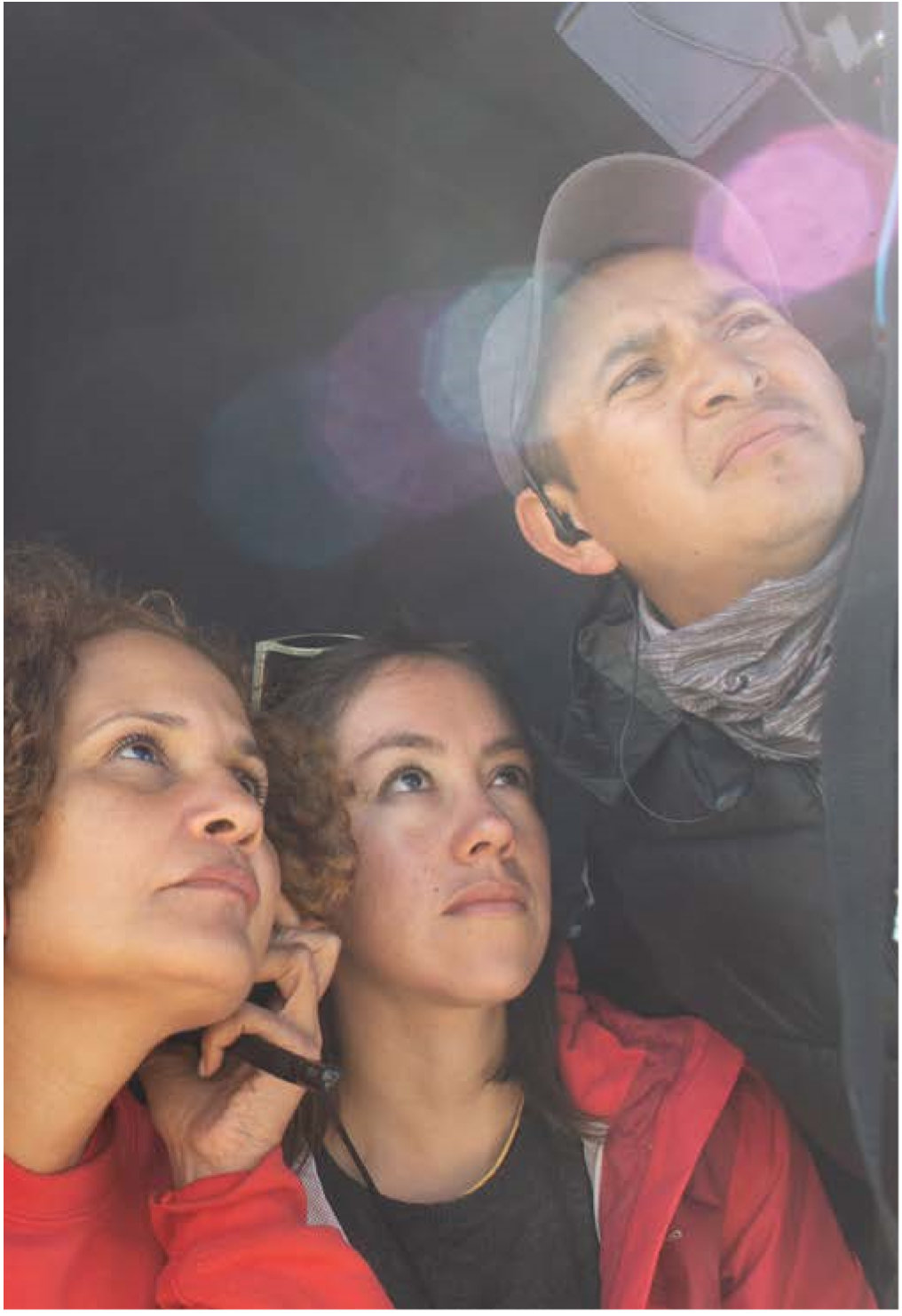
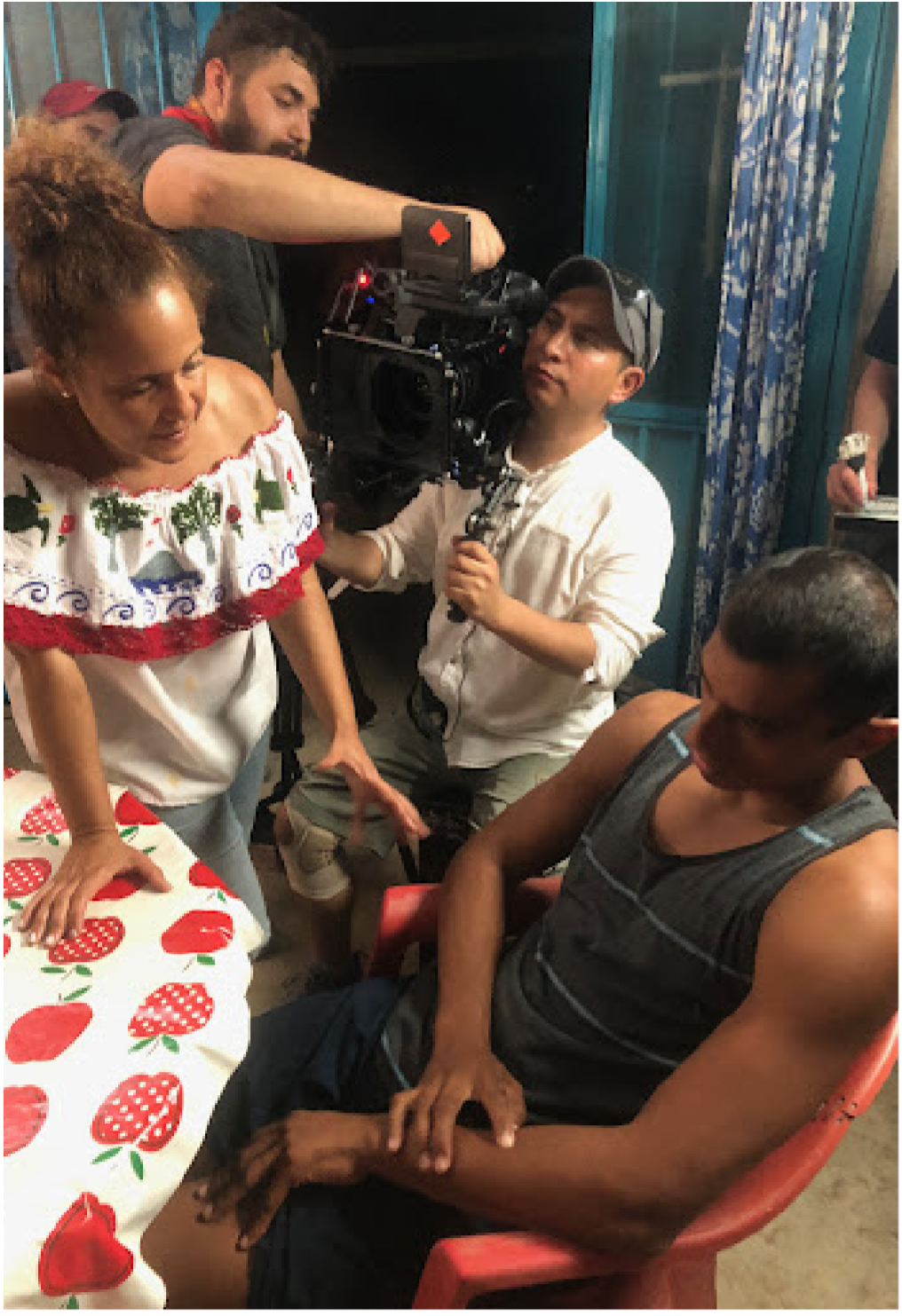
BTS Crew at Monitor stemming from Somerset too. What was markedly absent, however, was Latin American heritage. There has been a story passed down from my father’s side of the family (the black side) that my great-grandfather had emigrated from Spain to Cuba – but looking at my ancestral profile, I have yet to find evidence of this. This would be an odd story for my family to make up, so I will continue to dig deeper. In the meantime, I don’t expect to be writing future Latina roles for myself to play.

I will, however, continue to write diverse stories, fight for diverse teams, and pursue distribution that reaches diverse communities. As the expression goes, “write about what you know.” Well, my mixed BIPOC world is it. Diversity IS in my creative wheelhouse, and it’s in my blood. It’s also the single strongest interrupter to my blinders and biases, both as I pursue my creative work and as I move through the world.

—

Social Artist Anike Tourse is the Equity and Representation Lead @ New Day Films and the filmmaker behind America’s Family and America; I Too produced in conjunction with the Coalition for Humane Immigrant Rights. Anike  is currently acting in the production of “Eureka Day” running October 2-25, 2026 at the Mad Horse Theater in Portland, Maine.
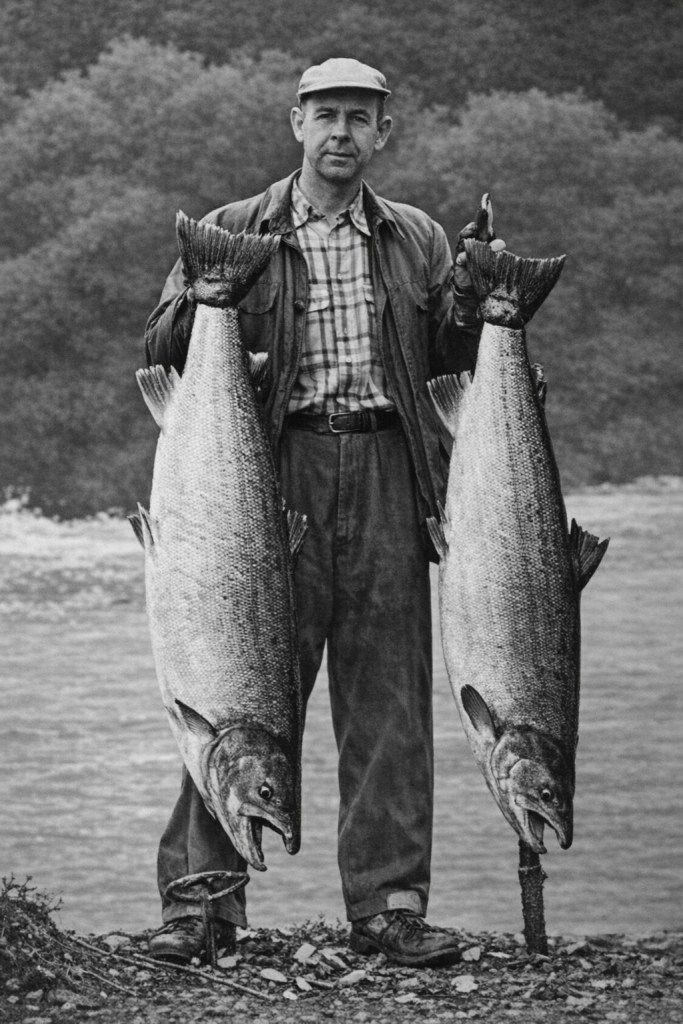
Looking for the LARS

64 and 55 pound Vosso R LARS (Norway), from the book “GIANT Salmon” by Fred Buller 

After putting years into making and then distributing “America’s Family,” it has taken me time to rally for the next film. Moving across the country to care for family coupled with a reluctance to give my life to the obsession linked with artistic creation, has edged me towards avoidance. Like colds and street cats, however, the art that is yours to make eventually has its way with you.  Sometimes it feels like discovering the dawn, mostly it just feels like fumbling through the dark.  

My little animated sockeye from “Frances the Fish,” has been reborn as a Maine Atlantic salmon. Her journey is a now a bit broader, transforming into a LARS (think Jedi Master) over the course of her lifetime. To introduce you to our film protagonist, I’m sharing an excerpt from my talk with Ed Baum, fifty-seven year salmon scientist and deeply respected elder in the field.

Anike: What is the LARS and what got you interested in them?

Ed: L.A.R.S stands for Long-absence repeat spawners. They stabilize and sustain wild salmon populations, are mostly female, produce many more and often higher quality eggs and carry traits linked to survival and return. One hundred fifty years ago or there were a lot more of them because the fresh water and oceans were more conducive to survival; no commercial or sport fisheries, no dams on rivers, no invasive species and a lot less human interference.

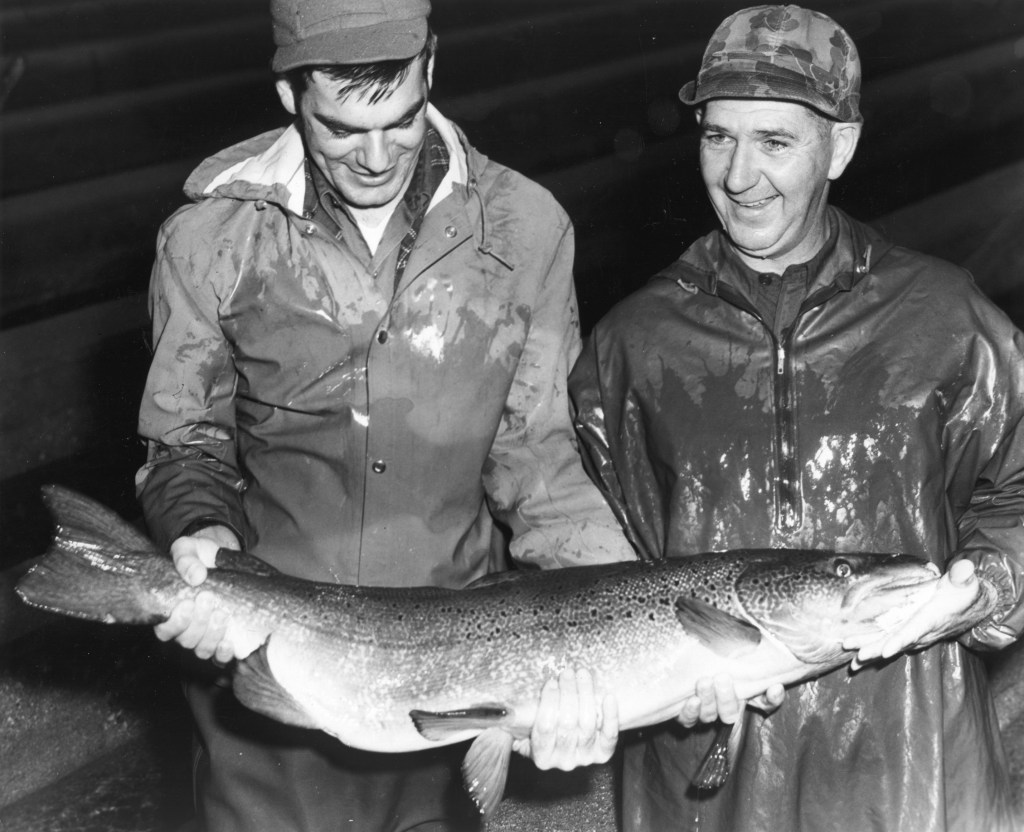
Early 1970s photo of Ed Baum and his then-boss (Alfred Meister) with a 28-pound Machias R LARS, Maine Atlantic Sea-Run Commission photo

Anike: What does the journey of a LARS look like today?

Ed: Most Atlantic salmon leave the river at two years old for the ocean. Then after two winters at sea, at seven to twelve pounds, they’ll head back to spawn. If they’re lucky enough to survive their first spawning trip, two years later they’ll return back to their home rivers again, now in the fifteen to twenty pound range. If they are really lucky they can do it again and come back home a third time. By this time they would be about nine and possibly twenty to thirty pounds.

Anike: That’s crazy! How could a salmon get as big as thirty pounds?

Ed: I’ve interviewed commercial fishermen who told me the stories their elders told them about catching sixty pound fish in the Penobscot. I believe those stories to be true.

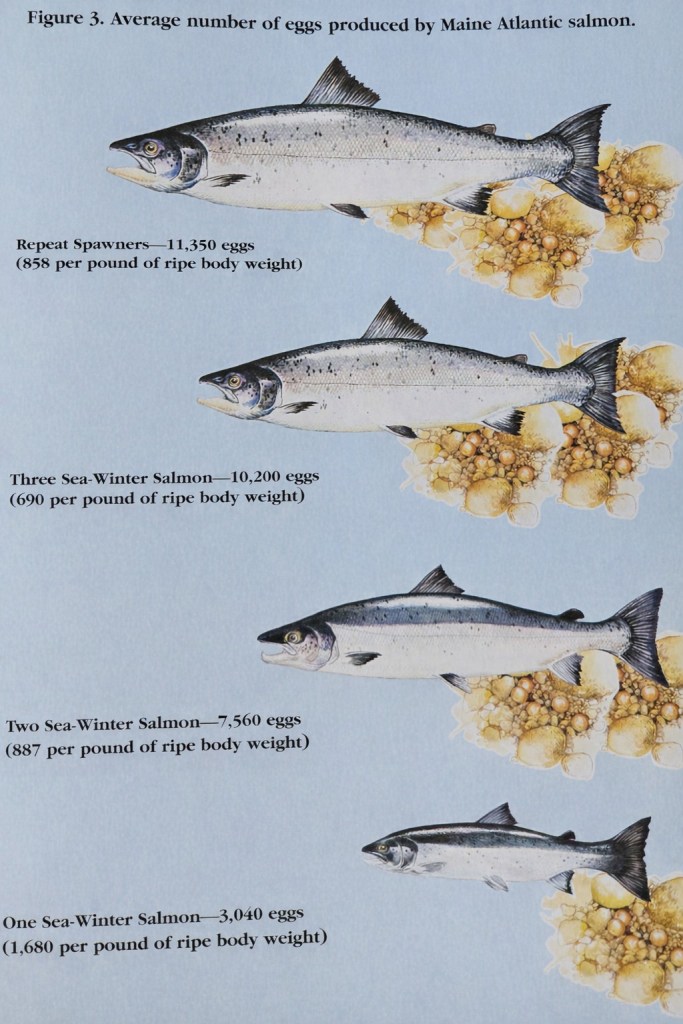
Figure illustrating the average number of eggs produced by Maine Atlantic Salmon, from Ed Baum’s book “Atlantic Salmon; A National Treasure”

Anike: Do LARS lead the Salmon pack?

Ed:  They repeat the same spawning run they did their first time – because they already learned it – but they don’t function as leaders in a hierarchical way. Atlantic salmon migrate in groups but eventually spread out due to predators. Large and small fish arrive together.

Anike: What does it mean to say that a river without LARS is like a river without elders?
Ed:
. 19th century LARS were 33% of the population, today they are less than 1%. Imagine if you took everyone over fifty years old out of our population, what would we know about anything?

Anike: You say that Maine’s wild Atlantic salmon are an image of human life, that while there is certainty in the spawning there is so much change, adaptation and uncertainty that exists as part of this life cycle. Are there any lessons they can teach us humans?

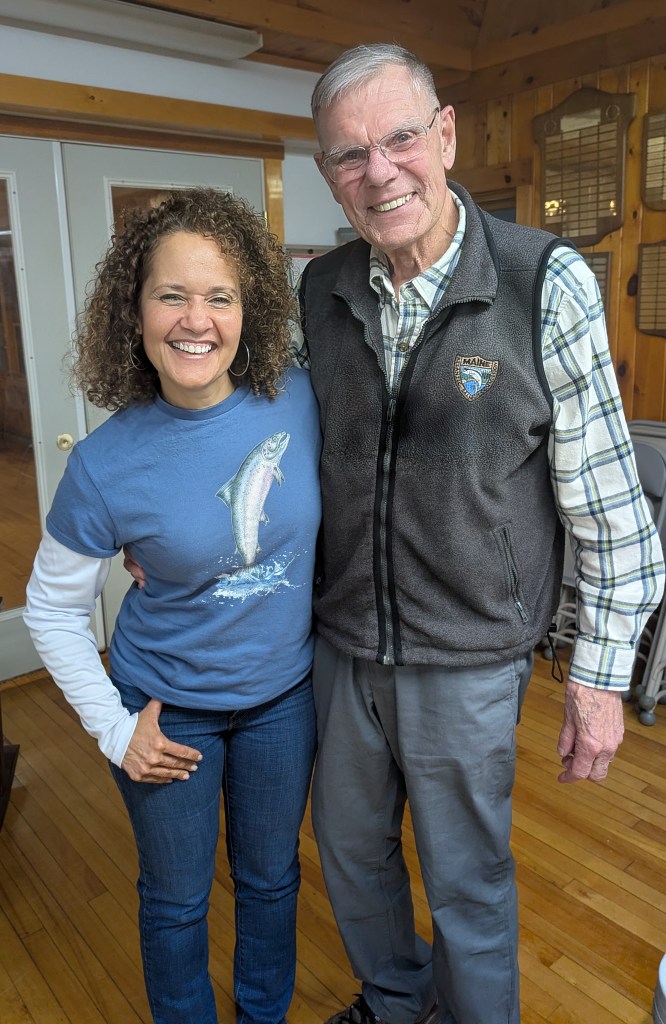
Anike & Ed

Ed:  There may be a lesson about patience. For us, seventy years is a long time. For Atlantic salmon, it’s probably a very short time given that they have adapted over generations.

Anike: My movie will be for families. What do you hope they take away about salmon? Ed: I grew up going outdoors, learning how to hunt and fish from my Dad. Today, it’s so hard to compete with smart phones. It would be nice if the movie might get their attention, perhaps to see how all of us are connected to the same environment here on planet earth. Maine Atlantic salmon are the last remaining native Atlantic salmon in the USA, uniquely different from Canadian and European Atlantic salmon, both genetically and phenotypically. If we lose them they will be gone forever. And that would be a tragic loss.

Recollections from the Road

Excerpts From our MEXICO Release TOUR

August 30, 2024

I sit slumped on the floor in the middle of an OfficeMax after an onslaught of negotiations with printing houses, audio visual vendors and pinching pesos to pay for chairs and tamales. I’m frustrated by how often I need to ask people to repeat directions or how quickly I get lost converting feet to meters or dollars to pesos, sending partial vendor payments through the local OXXO (or 7Eleven) in lieu of Venmo and Zelle. Just the day before, Tijuana City Hall pulled their support for the event without explanation. We were counting on this money to cover the busses that will transport migrants from shelters to the Border screening and this news just about puts me over the edge.

I look up and see a bumper sticker plastered on a post in the middle of the store that says “TRUST,” in English. I remind myself that doing this is a choice and whatever frustration I may be feeling is time limited. I think about this city teaming with migrants from around the world, many of whom must make it their home if only temporarily. I wonder how they are managing with such little resources or the realization that they may never return home, let alone find their way to where they are trying to go. I don’t have too much time to think on it, however, as a WhatsApp message comes in from our partner organization Espacio Migrante; “we found busses.” it says.

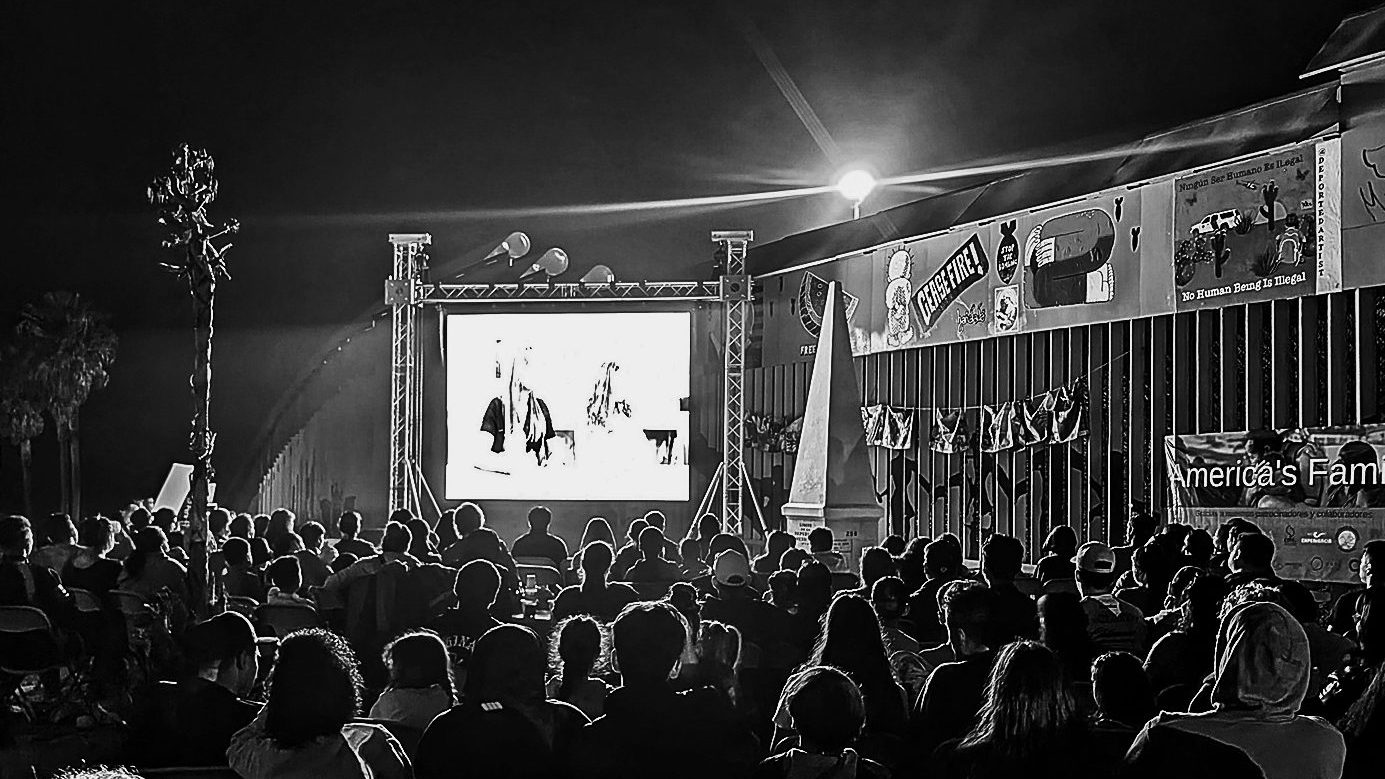
The busses pour out families at the famous “El Faro” lighthouse in Playas de Tijuana, the same place where we filmed six years before. An oversized “America’s Family” tarp waves underneath the other artwork smattered against the Border Wall that stands just behind the outdoor screen and stage. This Spanish dubbed version of the film takes on a new meaning as the audience hears it entirely in their own language and as the bright lights from the screen reflect the experiences of its audience portrayed in the film.

September 23, 2024

After holing up in a Tapachula motel room for two days, taking press interviews and preparing for the tour, I steal away to visit the mountains where coffee is grown.  Townspeople do their best to slow their Spanish down enough so that I can understand how to get there. When I arrive, a local guide pulls me underneath her umbrella to protect me from the seasonal downpour. Locals kindly guide through the maze of group taxis and small busses when it’s time to get back. “When did it become such a crime to need help?” I ask myself as I think of all of the anti-immigrants rhetoric back home. Isn’t the only reason that anyone gets anywhere in life because someone decides to help them?

The screening that night is held at the Fray Matías Human Rights Center, and the organizers go to nearby parking lots and with bull horns announcing that there is a film and free food close by. Migrants return with them and sit together among the activists and community members from across the city. Among them, a family gives me smiles of encouragement. I am  grateful, remembering that without an audience, there is no film.

September 25, 2024

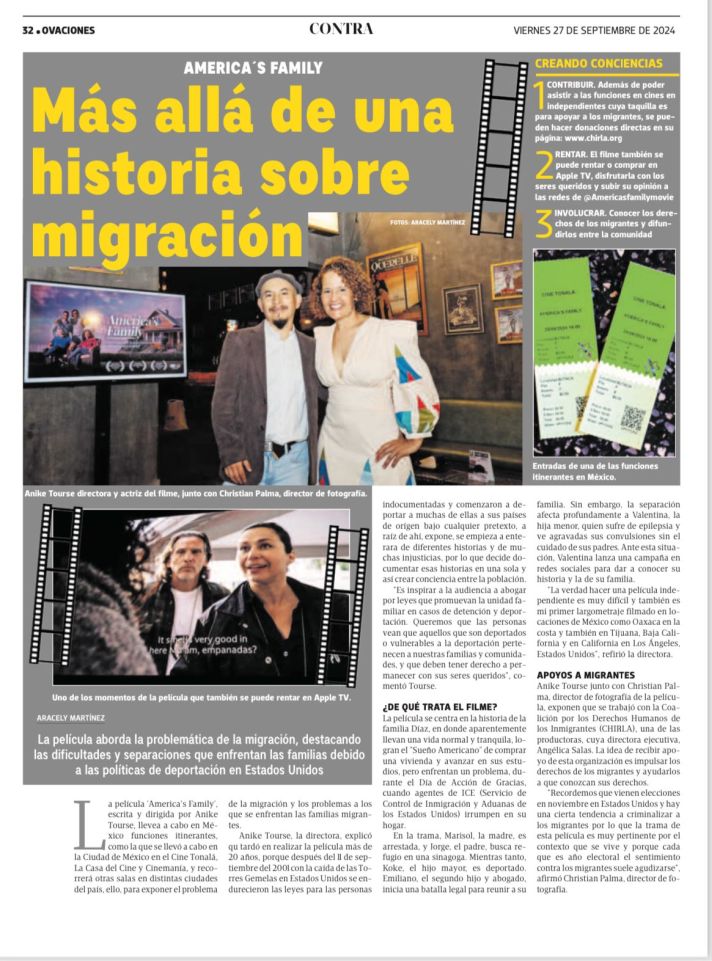
I fall head over heels with every step up the winding staircase to the Casa del Cine, Mexico City’s famous cineclub complete with a library stacked with books on film, posters of movies gone by covering the walls and dramatically high ceilings. I head from here to Cine Tonalá where we screened an earlier version of the film a few years before and worry about how we’re going to fill two theaters in two different locations for our two Mexican premieres. Christian Palma, our Director of Photography, assures me that audiences will indeed come, and they do. During the Q&A I’m happy that I get to tell the audience that of all the decisions I had to make as a director, my very best one was selecting Christian Palma as our cinematographer.   

October 23, 2024

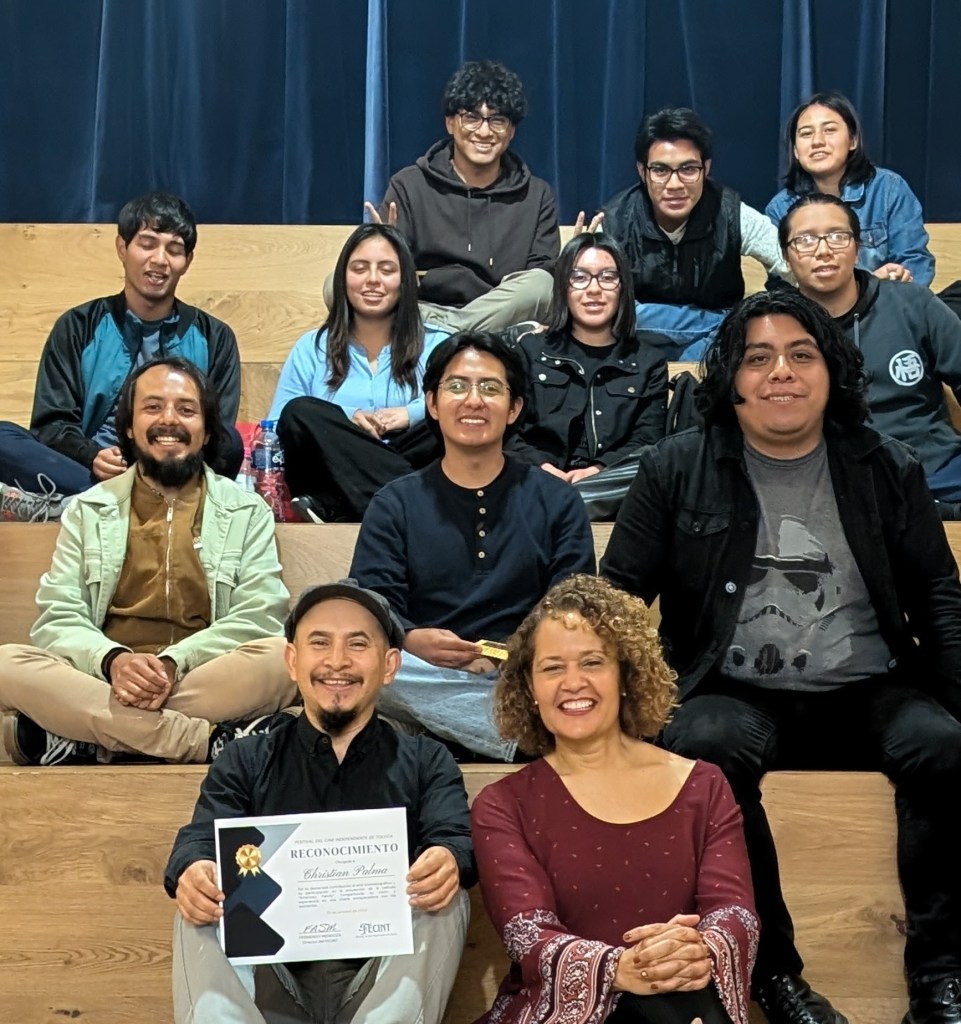
It’s two weeks later, and Christian and I along with CHIRLA in Mexico Monitoring Coordinator, Andrew Bahena are on our way to speak with film students following a screening at the Festival de cine independiente de Toluca. Andrew is good at playing tour guide, pointing out the Cablebús, Mexico’s aerial tramway above and La Marquesa to our right; the mountains turned beautiful pine forests of Mexico City. The screening is held at the Universidad Autónoma del Estado de México, one of two public universities in the state and it serves a whopping 84,500 students in the state capital of Toluca. In the barrage of inquiry from the first year film students, one question comes up again and again. “Did you ever feel like quitting?” they ask. “Every day,” I tell them, “even now.” 

October 24, 2024

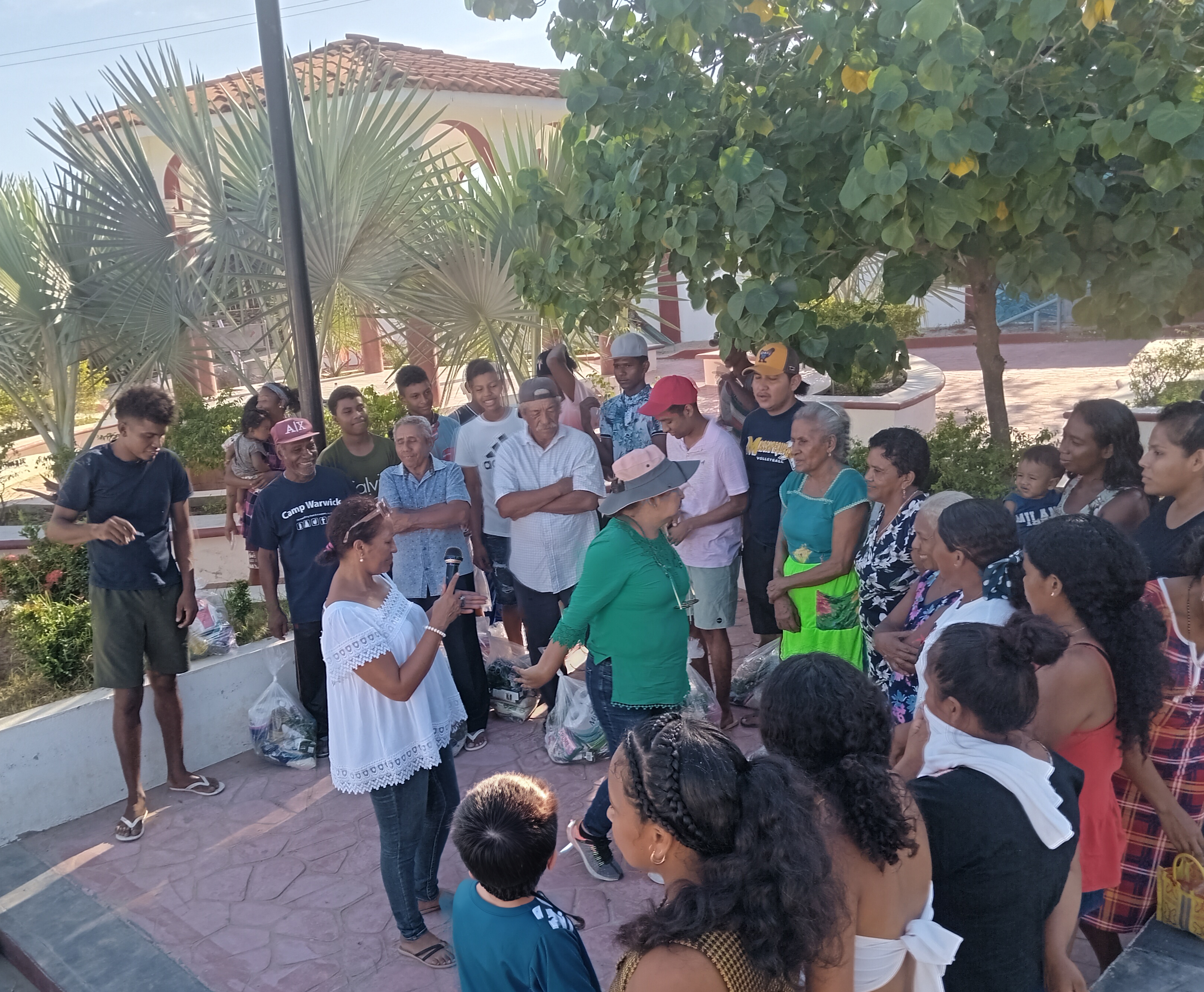
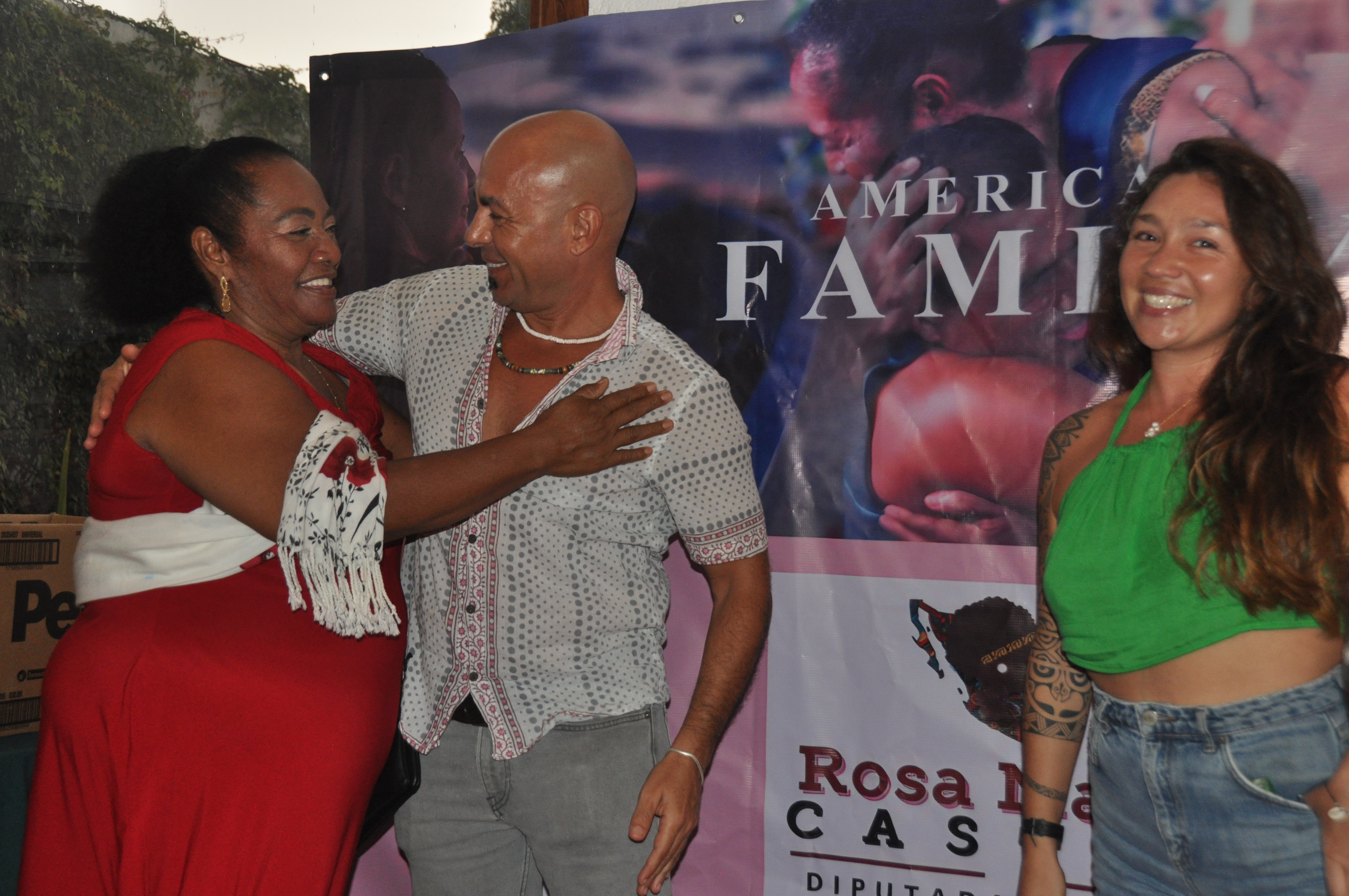
Community consultant Victor Campos picks me up from the Puerto Escondido airport in the Oaxacan coast. We head to the press conference where we’ll meet my old buddy Rosy, a scrappy, strong willed activist who introduced me to the Afro-Mexican community years before. Seven years later, and Rosy is now Congresista Rosa Maria Salinas Castro, a Congresswoman in Mexico and representative of the Afro-Mexican people. She tells the press that in lieu of paying for tickets, people should come to the screening with food for the families whose lives have been upended by Hurricane John.

The following morning we head to Casa Wabi, Puerto Escondido’s premiere arts institution that supports cultural exchange between contemporary art and local communities. The young people in particular ask probing questions, especially about racism in Mexico and the U.S. One person calls out to say how the film reminds her of her years in the U.S. going through a marriage, raising kids then going through a divorce and the difficult return to Mexico which she does not expand upon. The several high school students in the audience listen to her deeply.

To no one’s surprise but my own, a full house shows for the Benefit screening, all laden with bags of food, clothes and infinite supplies. I tell the story of a Cuernavaca Spanish school director who accompanied me on the first journey to the Mexican coast so that I could meet the Afro-Mexican people. Now a quarter of a century later, his nephew sits in the audience, promising to make sure that his uncle sees the film.

October 25. 2024

This tour is moving so quickly that just as I get comfortable in one city we are on to the next.  Stepping off the bus, I am blasted by the chill of Oaxaca City after the intense heat of Puerto Escondido. The shops plunged so closely together remind me of New York City even as they stand on charming cobblestone streets. The streets are filled with adults and children wearing face-painted skulls and rose garlands on their heads in advance of the Día de los Muertos (Day of the Dead) holiday. I find a vegan taco spot and talk an Australian couple and a pair of elders into come to the screening at Sala Elia. Following the screening, the fiercely independent cinema owner Mariana, offers to show it again in December, impressed by the engagement of the small but mighty audience and the pitch made by CHIRLA Deputy Director of the Southern Region and Binational Affairs Esme Flores. Later, I wander through old churches and the eateries, ending up in the outdoor markets. I buy a handmade rolling pin, thinking of future baking when I’ll roll out dough and remember these days.

October 27. 2024

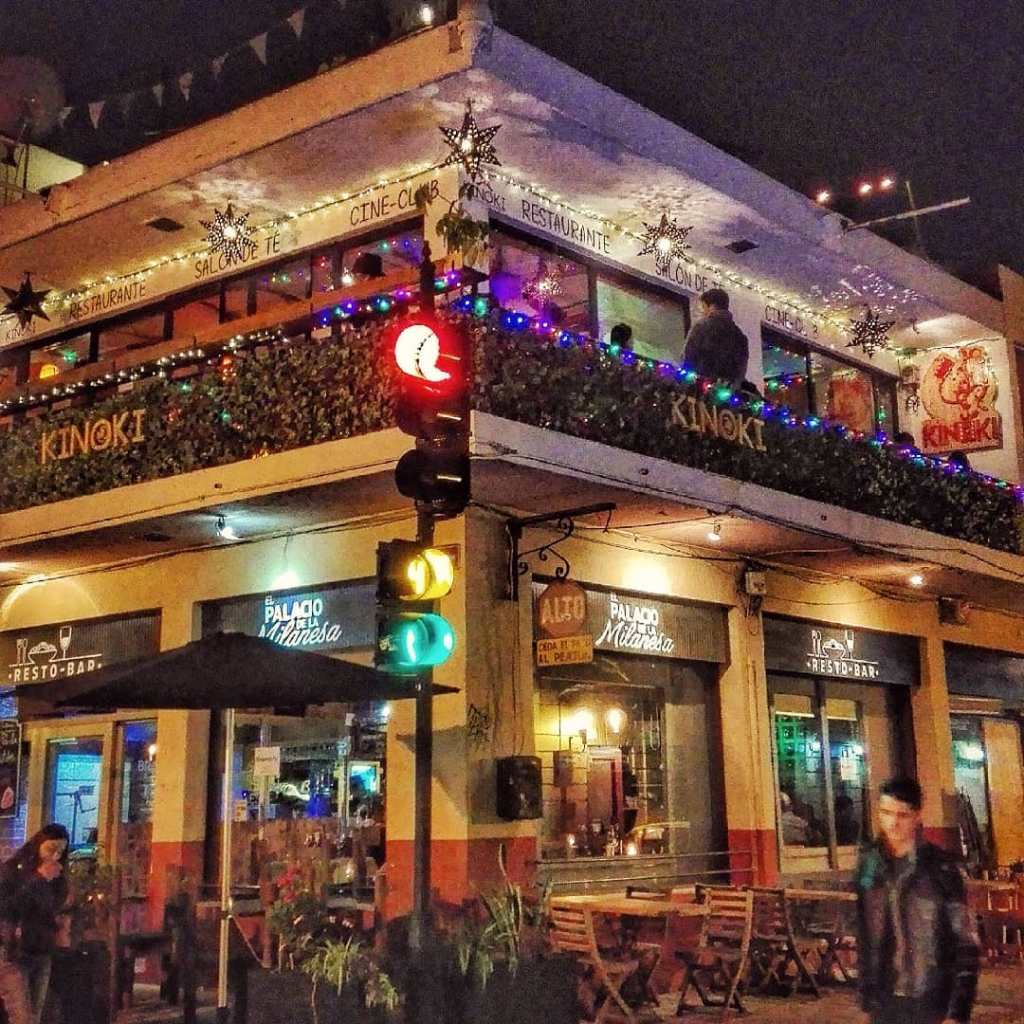
You can see the glorious lights of San Cristóbal de las Casas as the highway unwinds towards the town. It is among the loveliest of tourist traps that features equal amounts tranquility and pressure to buy. Upon discovering that I lost my phone, I allow myself to make friends with whomever is nearby, dining with a stranger at Kinoki officially the coolest of all the cineclubs where we are screening. The next day, our eclectic audience includes a mix of Mexicans, Germans and Australians who press me for details about immigrant life in the U.S. and for my opinions about the pending election.  

October 30, 2024

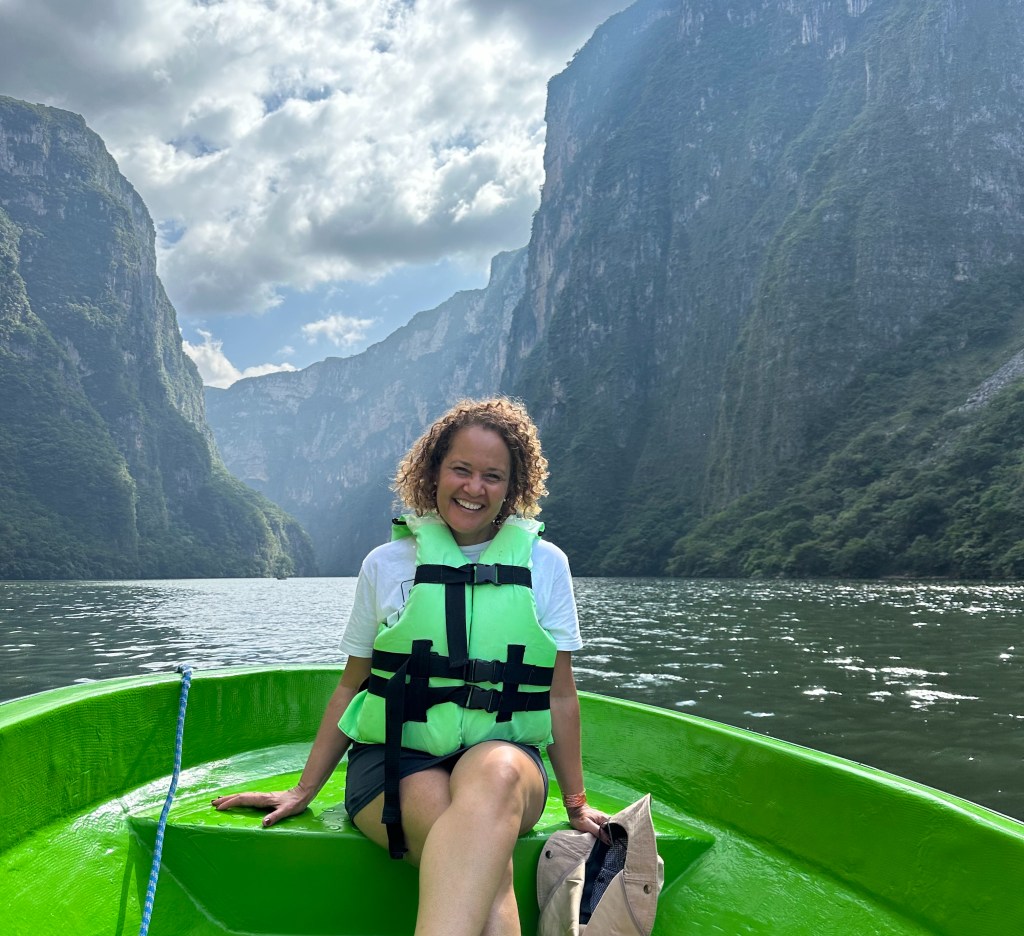
Taking my first day off in weeks, I travel to the Sumidero Canyons in Chiapas. This may be the most majestic place I have ever seen, with its 3,000 feet high canyon walls, streaming waterfalls and burst of wildlife. Looking at the American alligators on the river banks, the swinging monkeys and countless birds species, I feel like a mere spec in the grand natural world and grateful to be a part of it. Passing through this paradise, we enter a cove watched over by the Virgen de Guadalupe. A mass of garbage and plastic bottles saddle alongside the boat that have washed here by the rains and sea. Funny how we humans have talked ourselves into thinking that we’re the kings of the world and therefore have the right to destroy mother earth. I am without a phone and unable to permanently capture the dichotomy of the experience, but here is one picture snapped by a fellow American on the tour.

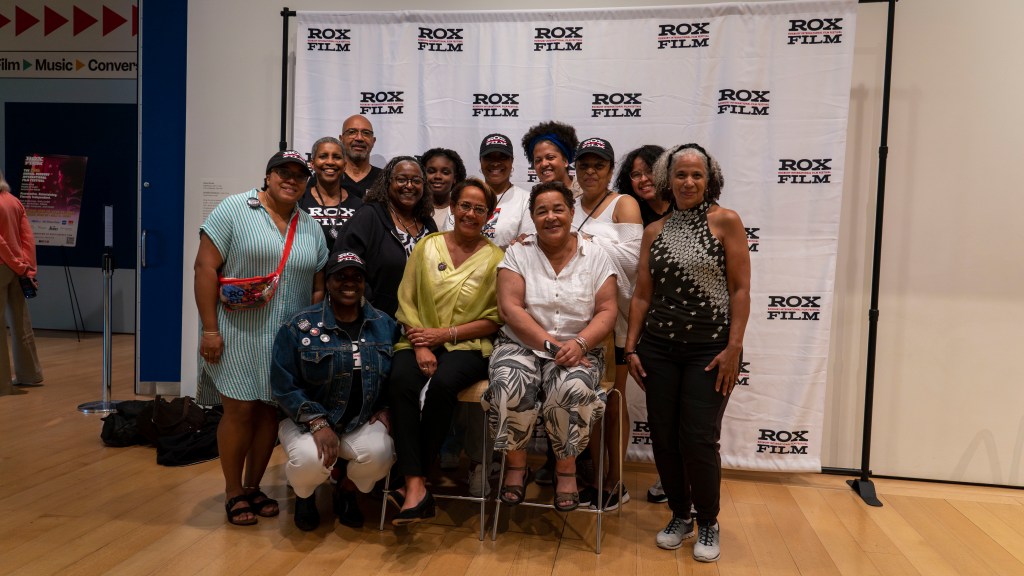
Serving on the Panel of Cool

I had the delight of being selected for the “Panel of Cool,” a group filmmakers and film experts with successful festival runs to contribute to MovieMaker’s magazine “The 25 Coolest Film Festivals in the World” (or as editor Tim Molloy puts it; “a festival that does not reek of attitude, confusing communication or the sense that it thinks it would do just fine without you.”) All of us shared our on the ground, first hand experiences with festivals we found particularly welcoming and interesting and it didn’t hurt if they recognized that we were going places in the industry. I am especially happy to have brought a bit of attention to a few of the fests that go out of their way to highlight social justice films and the growing careers of filmmakers of color. Check out all 25 festivals that made the list or take a look at me making my way through the Addis International Film Festival in Addis, Ethiopia.

“America’s Family” in Addis Ababa