Recollections from the Road

Excerpts From our MEXICO Release TOUR
August 30, 2024

I sit slumped on the floor in the middle of an OfficeMax after an onslaught of negotiations with printing houses, audio visual vendors and pinching pesos to pay for chairs and tamales. I’m frustrated by how often I need to ask people to repeat directions or how quickly I get lost converting feet to meters or dollars to pesos, sending partial vendor payments through the local OXXO (or 7Eleven) in lieu of Venmo and Zelle. Just the day before, Tijuana City Hall pulled their support for the event without explanation. We were counting on this money to cover the busses that will transport migrants from shelters to the Border screening and this news just about puts me over the edge.

I look up and see a bumper sticker plastered on a post in the middle of the store that says “TRUST,” in English. I remind myself that doing this is a choice and whatever frustration I may be feeling is time limited. I think about this city teaming with migrants from around the world, many of whom must make it their home if only temporarily. I wonder how they are managing with such little resources or the realization that they may never return home, let alone find their way to where they are trying to go. I don’t have too much time to think on it, however, as a WhatsApp message comes in from our partner organization Espacio Migrante; “we found busses.” it says.

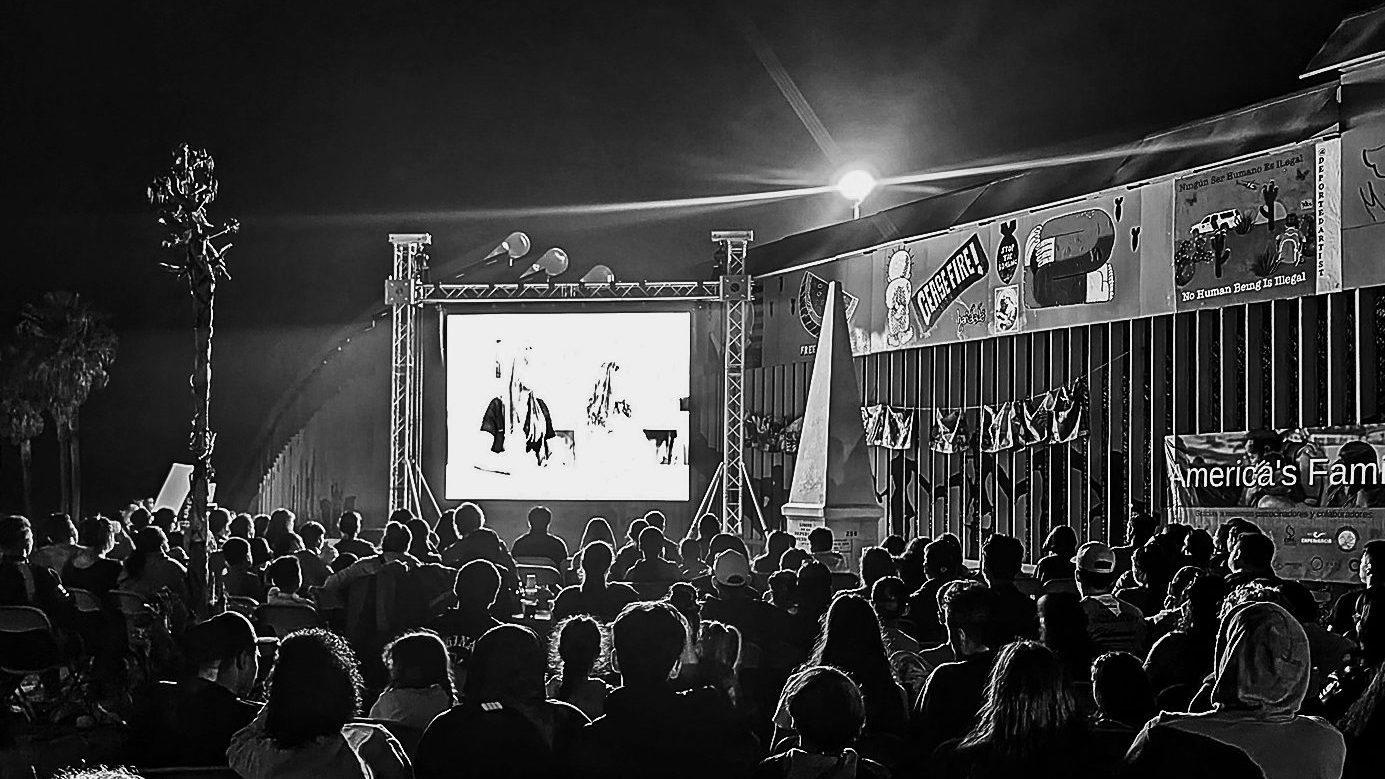
The busses pour out families at the famous “El Faro” lighthouse in Playas de Tijuana, the same place where we filmed six years before. An oversized “America’s Family” tarp waves underneath the other artwork smattered against the Border Wall that stands just behind the outdoor screen and stage. This Spanish dubbed version of the film takes on a new meaning as the audience hears it entirely in their own language and as the bright lights from the screen reflect the experiences of its audience portrayed in the film.

September 23, 2024

After holing up in a Tapachula motel room for two days, taking press interviews and preparing for the tour, I steal away to visit the mountains where coffee is grown.  Townspeople do their best to slow their Spanish down enough so that I can understand how to get there. When I arrive, a local guide pulls me underneath her umbrella to protect me from the seasonal downpour. Locals kindly guide through the maze of group taxis and small busses when it’s time to get back. “When did it become such a crime to need help?” I ask myself as I think of all of the anti-immigrants rhetoric back home. Isn’t the only reason that anyone gets anywhere in life because someone decides to help them?

The screening that night is held at the Fray Matías Human Rights Center, and the organizers go to nearby parking lots and with bull horns announcing that there is a film and free food close by. Migrants return with them and sit together among the activists and community members from across the city. Among them, a family gives me smiles of encouragement. I am  grateful, remembering that without an audience, there is no film.

September 25, 2024

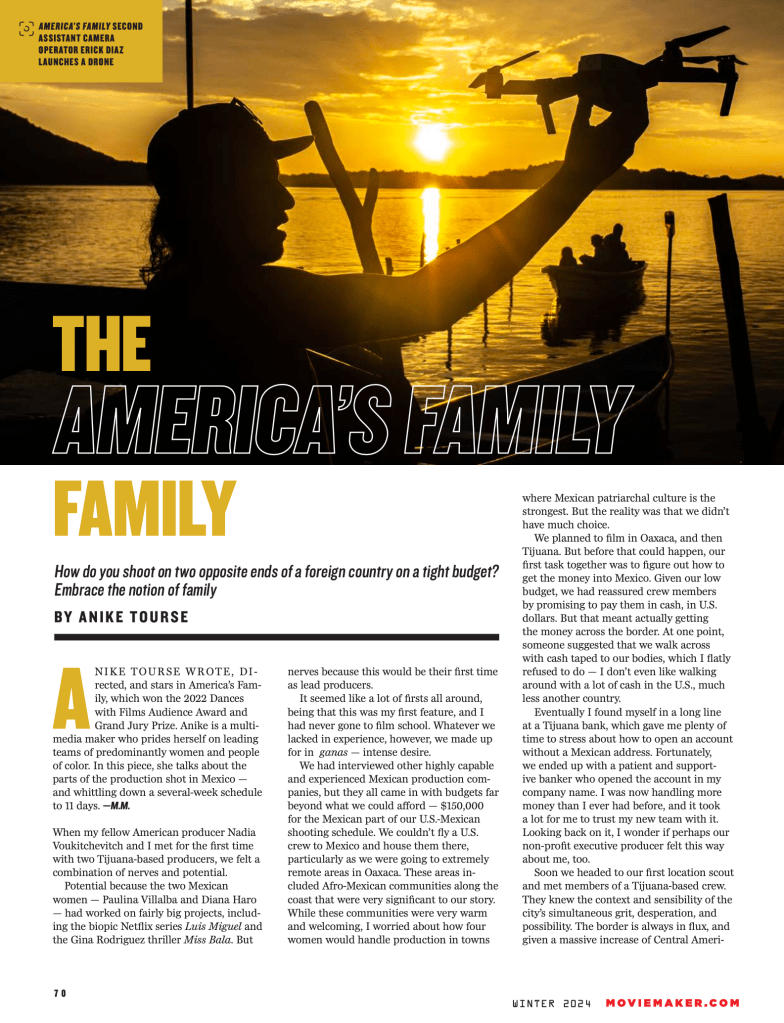
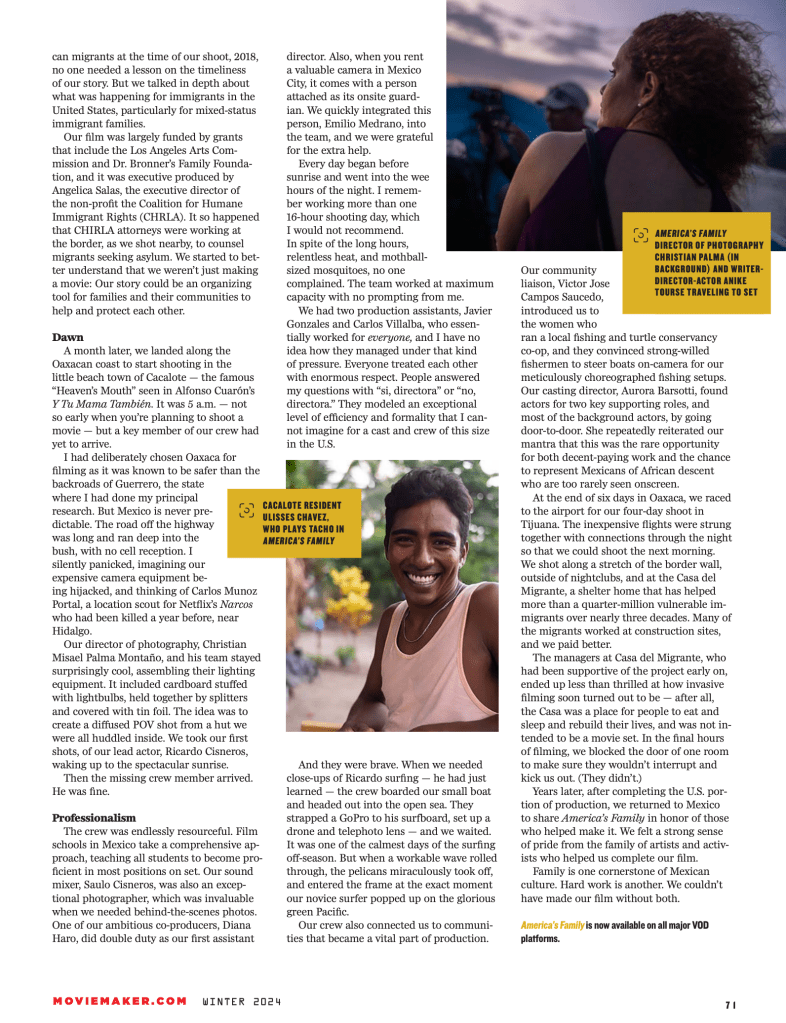
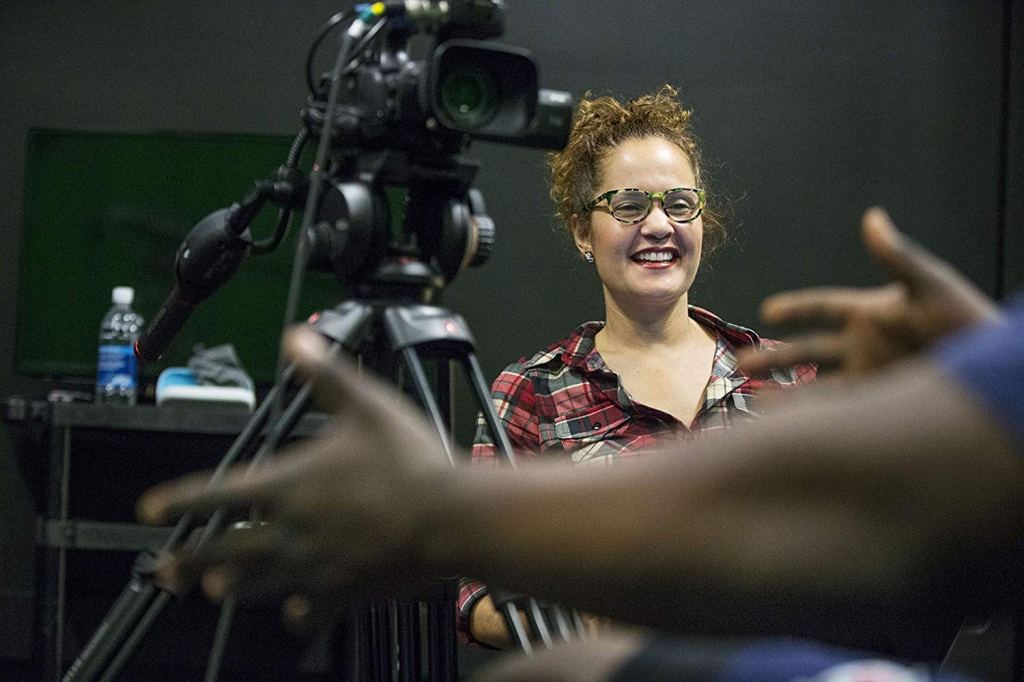
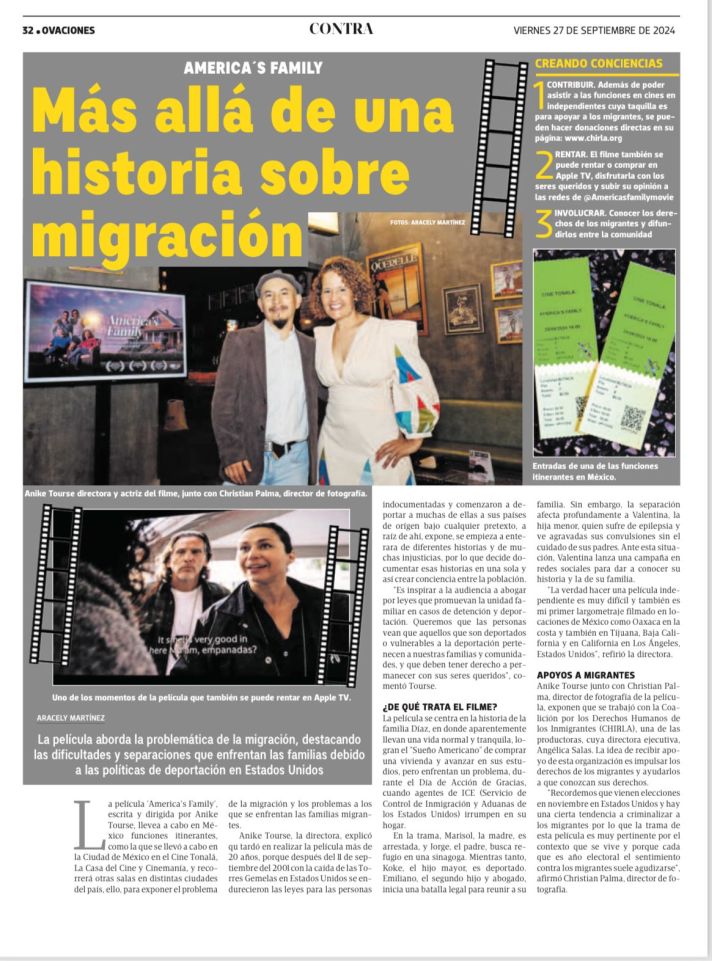
I fall head over heels with every step up the winding staircase to the Casa del Cine, Mexico City’s famous cineclub complete with a library stacked with books on film, posters of movies gone by covering the walls and dramatically high ceilings. I head from here to Cine Tonalá where we screened an earlier version of the film a few years before and worry about how we’re going to fill two theaters in two different locations for our two Mexican premieres. Christian Palma, our Director of Photography, assures me that audiences will indeed come, and they do. During the Q&A I’m happy that I get to tell the audience that of all the decisions I had to make as a director, my very best one was selecting Christian Palma as our cinematographer.   
October 23, 2024

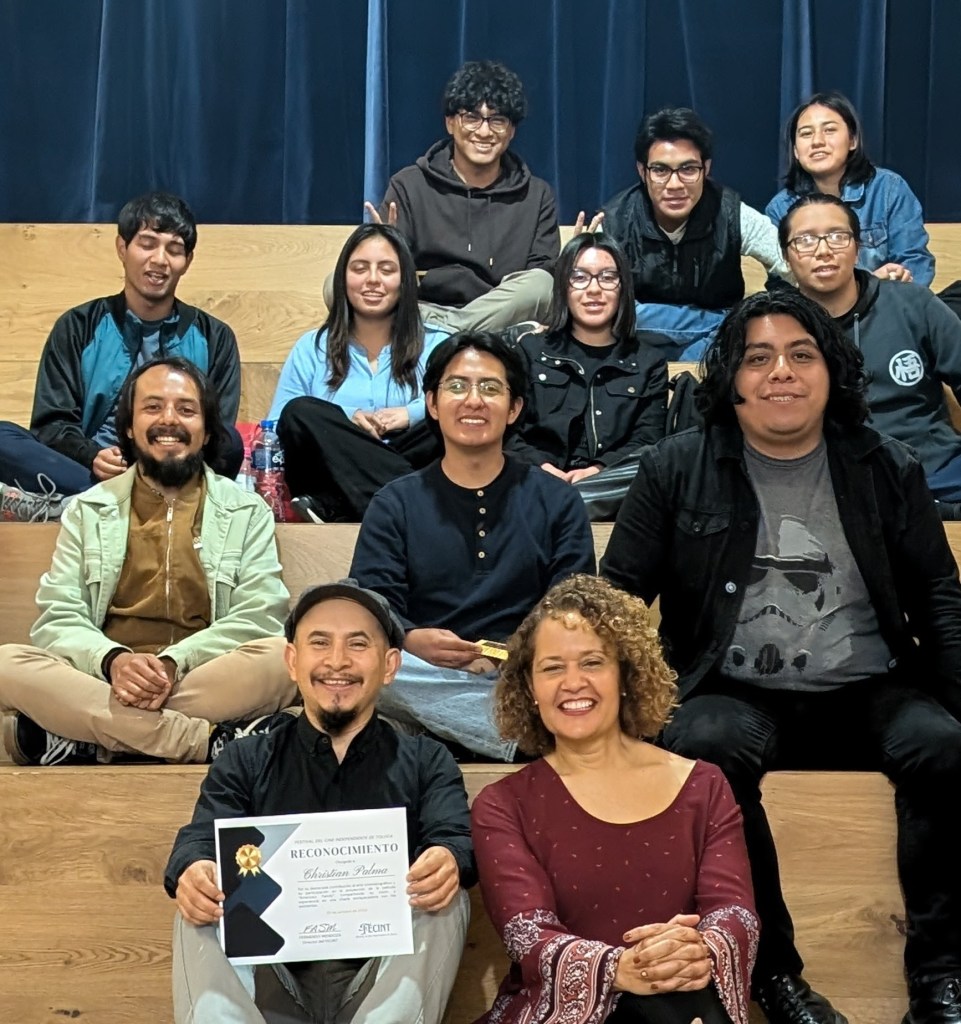
It’s two weeks later, and Christian and I along with CHIRLA in Mexico Monitoring Coordinator, Andrew Bahena are on our way to speak with film students following a screening at the Festival de cine independiente de Toluca. Andrew is good at playing tour guide, pointing out the Cablebús, Mexico’s aerial tramway above and La Marquesa to our right; the mountains turned beautiful pine forests of Mexico City. The screening is held at the Universidad Autónoma del Estado de México, one of two public universities in the state and it serves a whopping 84,500 students in the state capital of Toluca. In the barrage of inquiry from the first year film students, one question comes up again and again. “Did you ever feel like quitting?” they ask. “Every day,” I tell them, “even now.” 

October 24, 2024

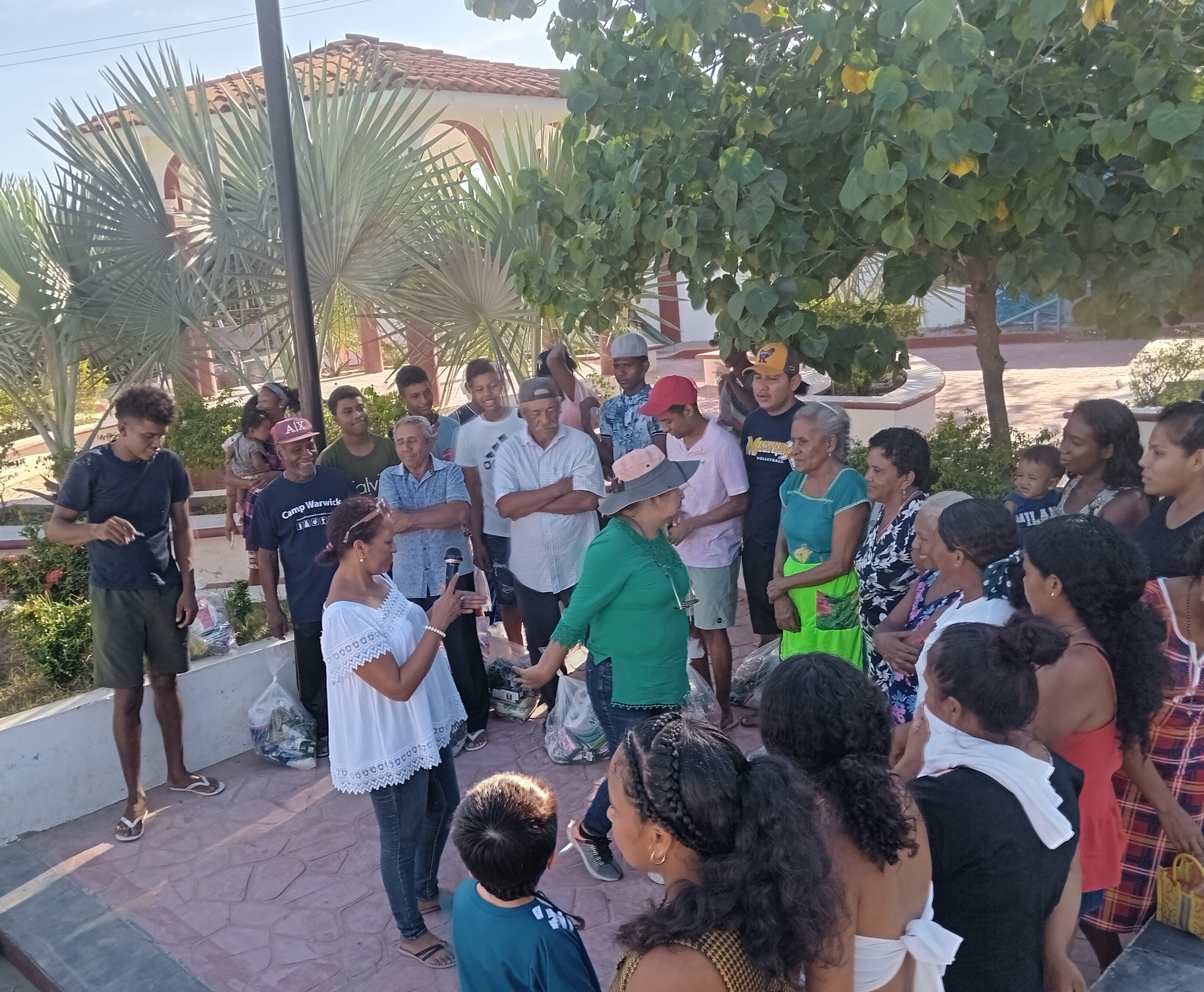
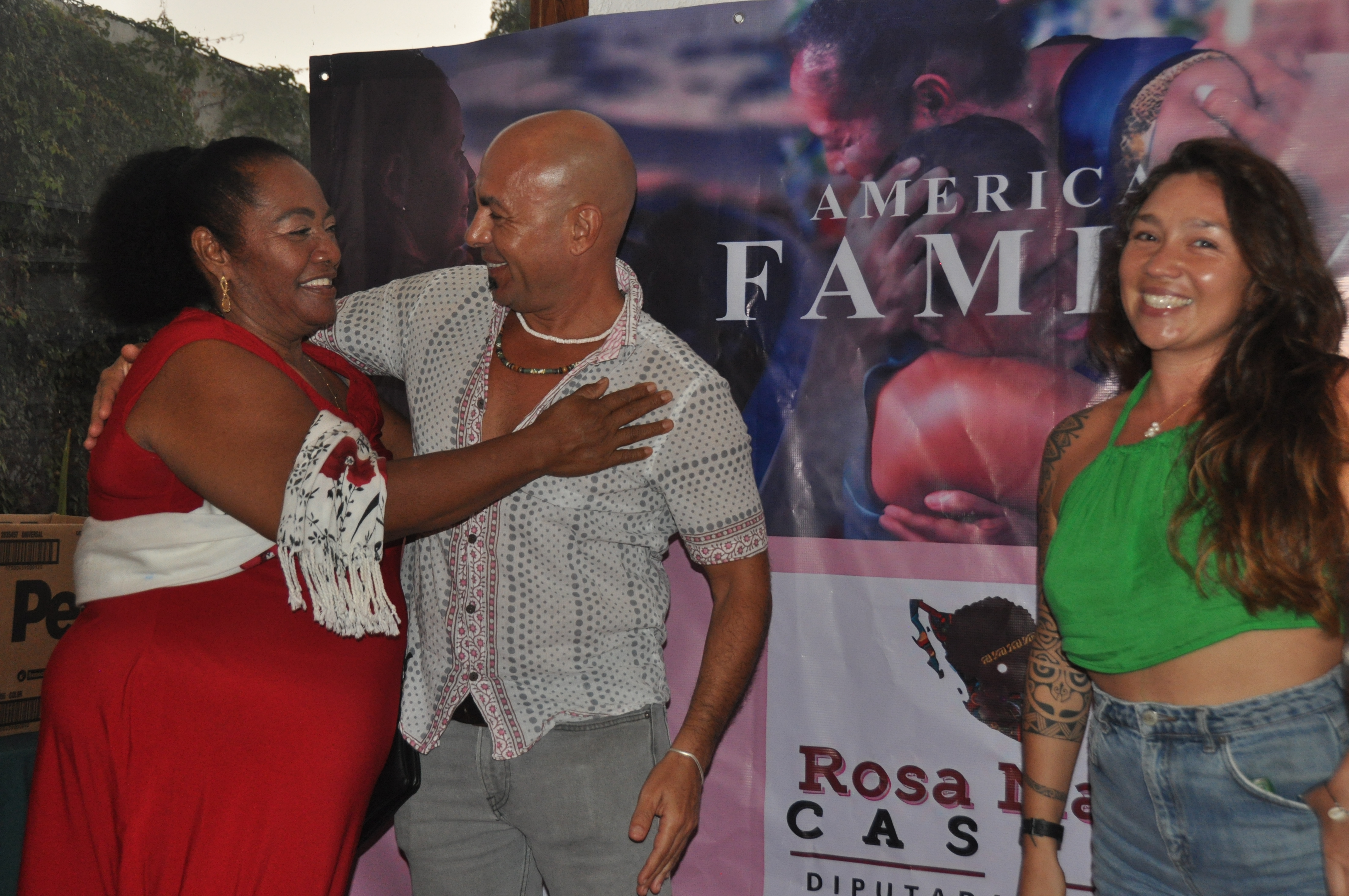
Community consultant Victor Campos picks me up from the Puerto Escondido airport in the Oaxacan coast. We head to the press conference where we’ll meet my old buddy Rosy, a scrappy, strong willed activist who introduced me to the Afro-Mexican community years before. Seven years later, and Rosy is now Congresista Rosa Maria Salinas Castro, a Congresswoman in Mexico and representative of the Afro-Mexican people. She tells the press that in lieu of paying for tickets, people should come to the screening with food for the families whose lives have been upended by Hurricane John.

The following morning we head to Casa Wabi, Puerto Escondido’s premiere arts institution that supports cultural exchange between contemporary art and local communities. The young people in particular ask probing questions, especially about racism in Mexico and the U.S. One person calls out to say how the film reminds her of her years in the U.S. going through a marriage, raising kids then going through a divorce and the difficult return to Mexico which she does not expand upon. The several high school students in the audience listen to her deeply.

To no one’s surprise but my own, a full house shows for the Benefit screening, all laden with bags of food, clothes and infinite supplies. I tell the story of a Cuernavaca Spanish school director who accompanied me on the first journey to the Mexican coast so that I could meet the Afro-Mexican people. Now a quarter of a century later, his nephew sits in the audience, promising to make sure that his uncle sees the film.
October 25. 2024

This tour is moving so quickly that just as I get comfortable in one city we are on to the next.  Stepping off the bus, I am blasted by the chill of Oaxaca City after the intense heat of Puerto Escondido. The shops plunged so closely together remind me of New York City even as they stand on charming cobblestone streets. The streets are filled with adults and children wearing face-painted skulls and rose garlands on their heads in advance of the Día de los Muertos (Day of the Dead) holiday. I find a vegan taco spot and talk an Australian couple and a pair of elders into come to the screening at Sala Elia. Following the screening, the fiercely independent cinema owner Mariana, offers to show it again in December, impressed by the engagement of the small but mighty audience and the pitch made by CHIRLA Deputy Director of the Southern Region and Binational Affairs Esme Flores. Later, I wander through old churches and the eateries, ending up in the outdoor markets. I buy a handmade rolling pin, thinking of future baking when I’ll roll out dough and remember these days.
October 27. 2024

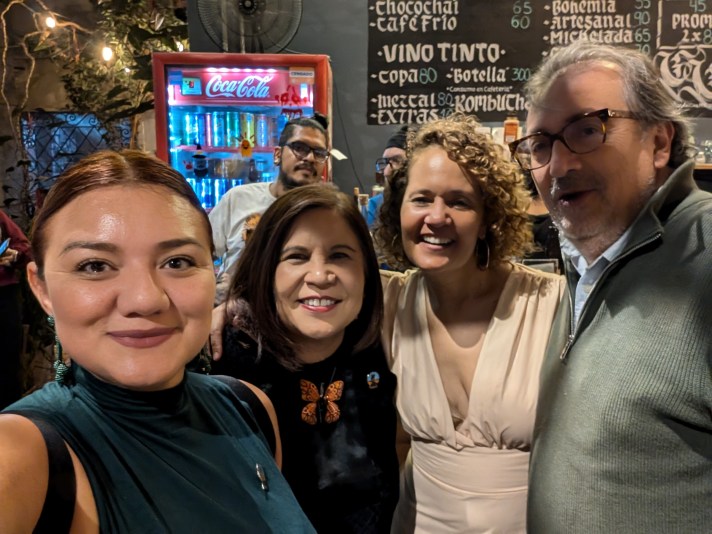
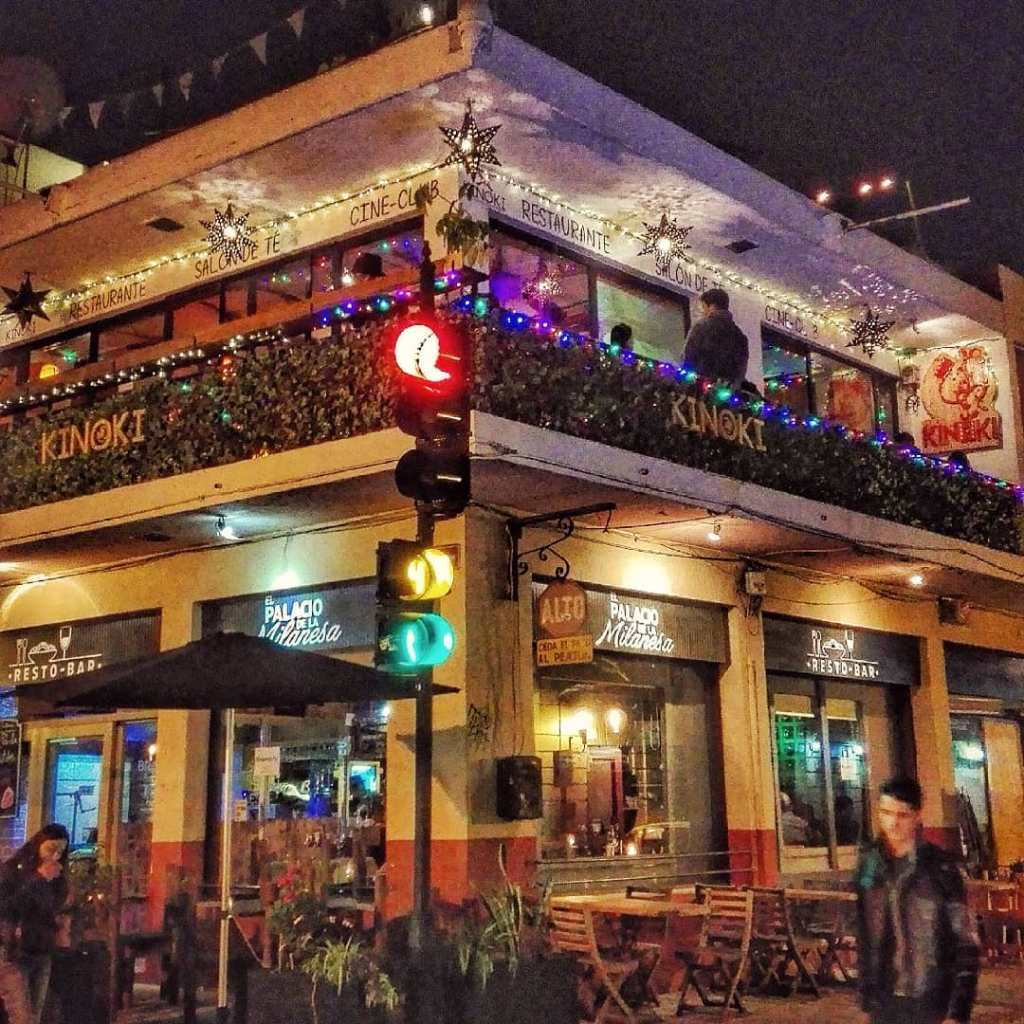
You can see the glorious lights of San Cristóbal de las Casas as the highway unwinds towards the town. It is among the loveliest of tourist traps that features equal amounts tranquility and pressure to buy. Upon discovering that I lost my phone, I allow myself to make friends with whomever is nearby, dining with a stranger at Kinoki officially the coolest of all the cineclubs where we are screening. The next day, our eclectic audience includes a mix of Mexicans, Germans and Australians who press me for details about immigrant life in the U.S. and for my opinions about the pending election.  

October 30, 2024

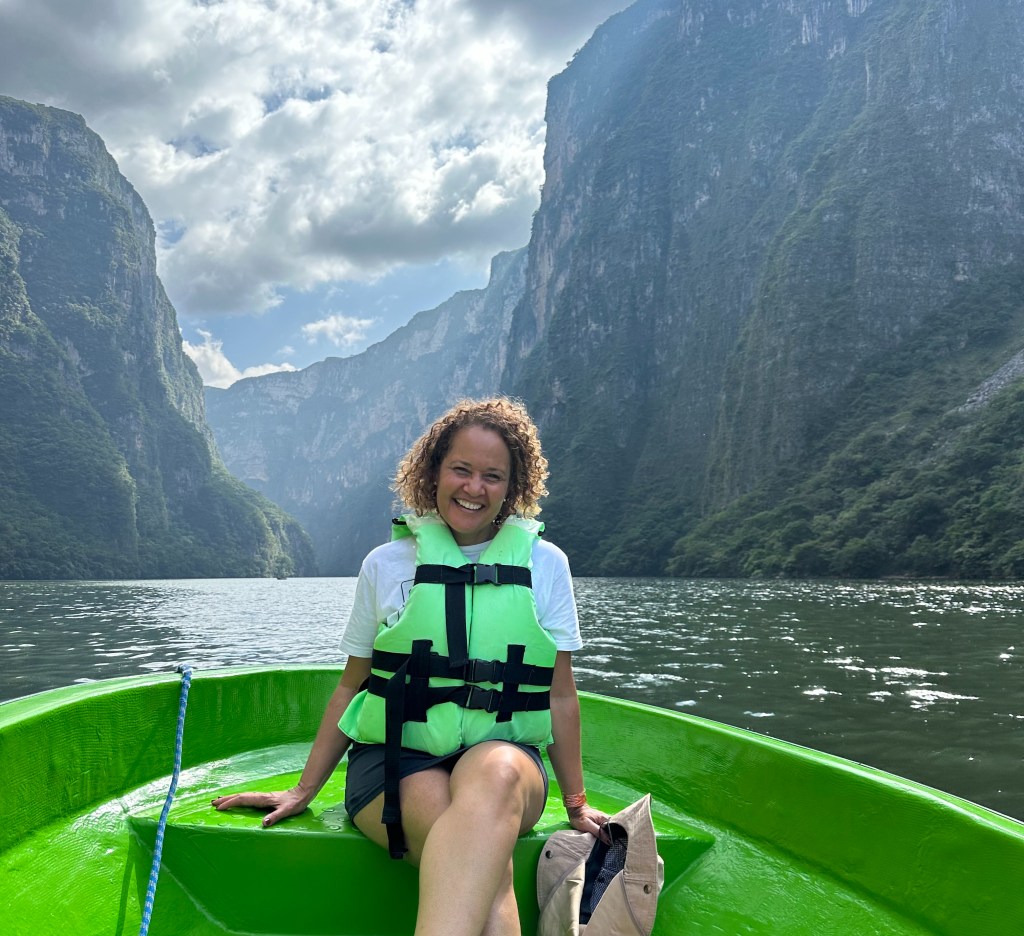
Taking my first day off in weeks, I travel to the Sumidero Canyons in Chiapas. This may be the most majestic place I have ever seen, with its 3,000 feet high canyon walls, streaming waterfalls and burst of wildlife. Looking at the American alligators on the river banks, the swinging monkeys and countless birds species, I feel like a mere spec in the grand natural world and grateful to be a part of it. Passing through this paradise, we enter a cove watched over by the Virgen de Guadalupe. A mass of garbage and plastic bottles saddle alongside the boat that have washed here by the rains and sea. Funny how we humans have talked ourselves into thinking that we’re the kings of the world and therefore have the right to destroy mother earth. I am without a phone and unable to permanently capture the dichotomy of the experience, but here is one picture snapped by a fellow American on the tour.
Serving on the Panel of Cool

I had the delight of being selected for the “Panel of Cool,” a group filmmakers and film experts with successful festival runs to contribute to MovieMaker’s magazine “The 25 Coolest Film Festivals in the World” (or as editor Tim Molloy puts it; “a festival that does not reek of attitude, confusing communication or the sense that it thinks it would do just fine without you.”) All of us shared our on the ground, first hand experiences with festivals we found particularly welcoming and interesting and it didn’t hurt if they recognized that we were going places in the industry. I am especially happy to have brought a bit of attention to a few of the fests that go out of their way to highlight social justice films and the growing careers of filmmakers of color. Check out all 25 festivals that made the list or take a look at me making my way through the Addis International Film Festival in Addis, Ethiopia.

“America’s Family” in Addis Ababa

The Value Distribution

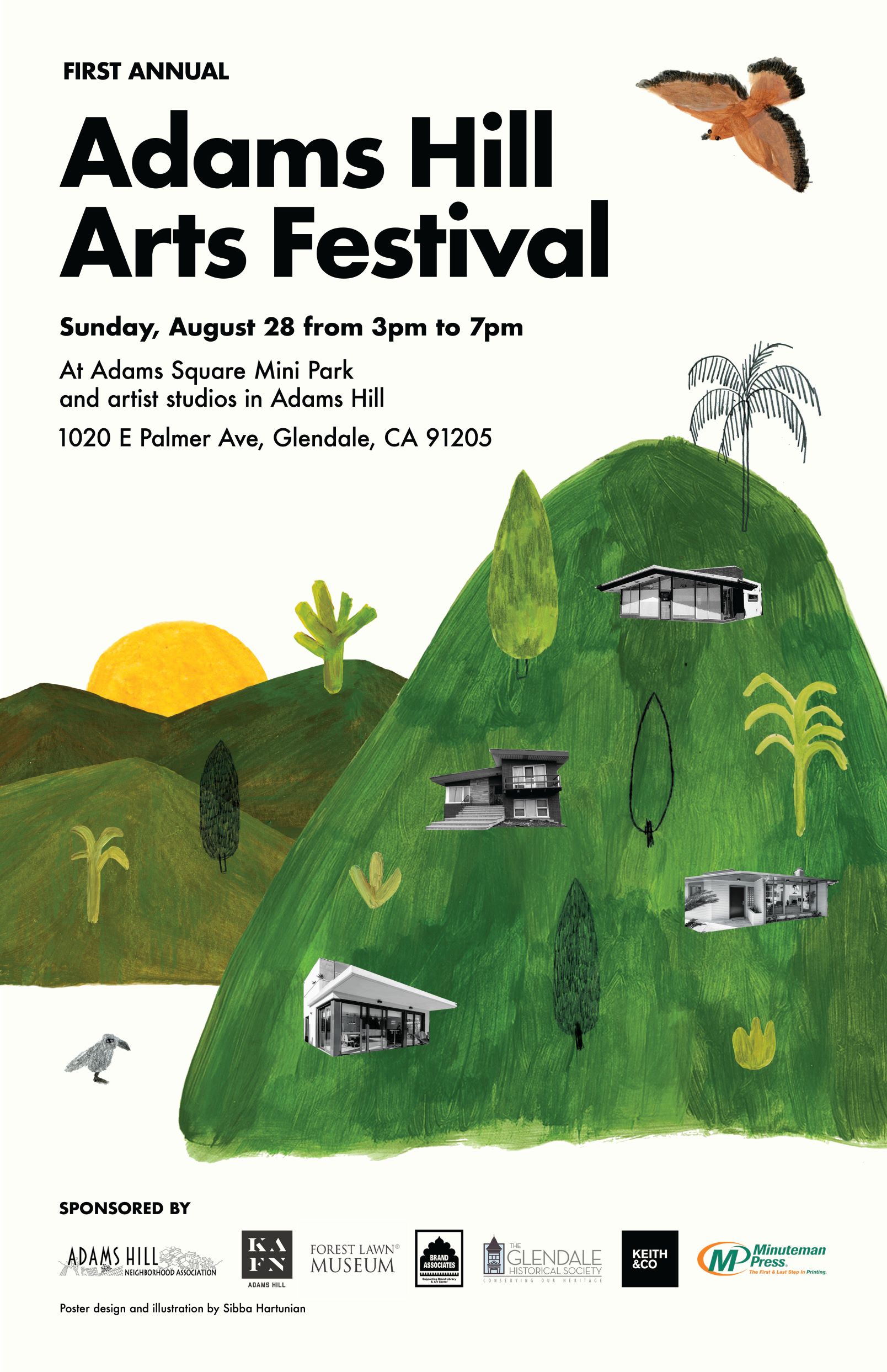
This past summer, my theater director-producer friend Jeremy Aluma, invited me to The Adams Hill Arts Festival, a neighborhood festival that he was producing in Glendale. If you know anything about LA you know that driving (AKA traffic) defines everything, and Glendale might as well have been Philadelphia given that I live in the far, far away land of Inglewood. As much as I value off road time, I decided to make the trip nonetheless. I was impressed that even as COVID had kept so much theater at bay, my friend was still managing to put his producorial skills to good use.

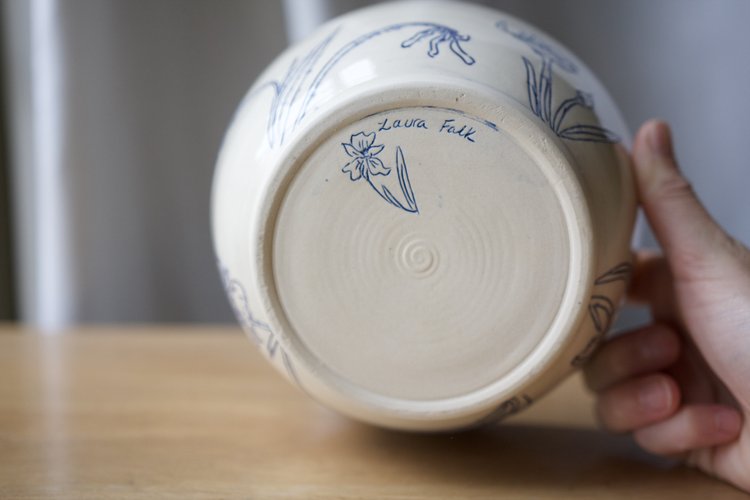
I was happily even more impressed to find the local artists showing their wares, to hear a neighborhood band performing and to see the many kids playing in the festival park when I arrived. I wandered around, past the homemade kombucha stand and greeting card artist until I came to a make shift pottery booth.  A beautifully handmade cup, with warm sandy colors and without a handle stood out to me. I turned it upside down looking for a price but instead found a name; “Laura Falk.”

“Are you Laura?” I asked the woman standing behind the pottery.

“I am,” she answered.  When I asked her the price I could only blink in disbelief. “What? For a mug?” I thought. I didn’t know anything about Laura Falk and even less about pottery, but I did know something about bargaining.

I learned the skill years ago when living and traveling in Nigeria and Israel, where bargaining threads its way through the purchase and sale of all things. It didn’t take long for folks to figure out that I was a foreigner and as I was determined to be considered a valued customer (and not to get cheated) I got good at negotiating fast. And I took it seriously. Once while haggling with a market woman through an open bus window, the person sitting next to me told me that she had never seen anyone push so hard for a few bananas. Admittedly, I didn’t always get it right. There was the time I argued a little too intensely with a senior in my neighborhood over the price of a used Spike Lee book that I had insisted was too high. Or with the traditional dressmaker in Mexico City who likely needed the few extra dollars a lot more than I needed to save them. But over the years bargaining has become so second nature that it has been a tough habit to shake.

When I suggested to Laura a much lower price than she was offering, she said that she hadn’t come to the neighborhood festival with an intention to negotiate. I explained that I hadn’t come looking for a mug to buy. She pointed to the native California flower that she had hand drawn on the front of the cup and I dug in my heels, clinging to the amount I proposed. Eventually she conceded. Driving home I couldn’t believe I had spent so much on a cup but I was glad to have supported an artist and indirectly my friend.

In the days that followed, my perceptions of that piece of art began to shift. With each time I took it out of the cabinet I was reminded of Jeremy and what he did for his neighborhood by producing that first time arts festival. I tend to drink hot liquids slowly, and as it is technically a cup (not a mug) I can enjoy sipping the smaller amount of coffee and tea it holds before it gets cold. Since there isn’t a handle, I can easily wrap my hands around it, and it fits and warms my hands as if it was made just for me. I have found the practicality and charm of its use a comfort and a dependable de-stressor, particularly when wrestling with a writing deadline or when I’m feeling restless and in search for something warm and simple to get grounded. This little cup has now become my favorite cup in the cabinet (other than perhaps the one with my nephews faces on it) which throws a whole new light on the assessment of its value.

As “America’s Family” is now in the process of seeking distribution, I think about the notion of value all of the time. Like every aspect of making this film, the distribution process is taking much longer than I had anticipated, going through the festival circuit, shopping it out to different distributors, working with a sales agent. I think about what the film is “worth” as I sort through the offers (and the passes) and I wonder who gets the right to determine value and exactly what yard stick is being used to take the measurement. I try to speculate the distance between an audience member who laughs or cries in recognition or gratitude as they resonate with the film, and what the final price tag will be for whomever will ultimately buy it.

The Godmother of documentary filmmaking Julia Reichert used to say that “a filmmaker must identify the beating heart of their film.” It wasn’t that long ago, that I was deep in fundraising for the making of the movie, fighting hard for a collaboration of community members, activists, and professional artists, so that we could get to tell the story we wanted to tell and so that this movie could be seen by the right person at the right time. As I try to reconnect with the beating heart of “America’s Family,” I remember that just as it was community that was at the core of the making of this film, and just as it was the community that filled the seats in our runaway sold out premiere, it will also be the community that makes sure that it’s seen by the public at large. On this I can depend and trust, wherever the movie lands.

I also remember that the real value of “America’s Family,” as with most works of art, can only truly be determined after it makes its way through the test of time. After all, we can only see it for what the movie is now, not for what it may someday be. There will be those who will come to enjoy the movie and still others who may come to need it.

You can find a cup similar to mine and other ceramics made by Laura Falk at https://www.falkceramics.com/. They’re worth every penny.

In Gratitude for Julia

Academy Award winning filmmaker Julia Reichert is the co-founder of New Day Films, the filmmaker run distribution house of our short film “America; I Too.” I have never spoken to Julia directly other than, perhaps, through Zoom, thanks to New Day’s Annual Meetings or sending a congratulatory e-mail for her Academy Award win on the New Day listserv. I would be surprised if Julia has any idea at all who I am, let alone seen my work. Yet Julia has made an impact on my life as she has on the lives of so many indie filmmakers across the globe.

In watching Julia from afar, I’ve always been struck by her warmth and friendliness peppered with a forthrightness and confidence. I wonder if I have ever seen a filmmaker as confident as Julia — not with bravado or arrogance mind you, but with true confidence. Her confidence makes sense given her talent, accomplishments, multiple awards and the circles she runs in. Yet even when you look at Julia’s early films, her self-possession and sense of purpose are stamped all over them, long before she became one of the greatest documentary filmmakers of our time.  

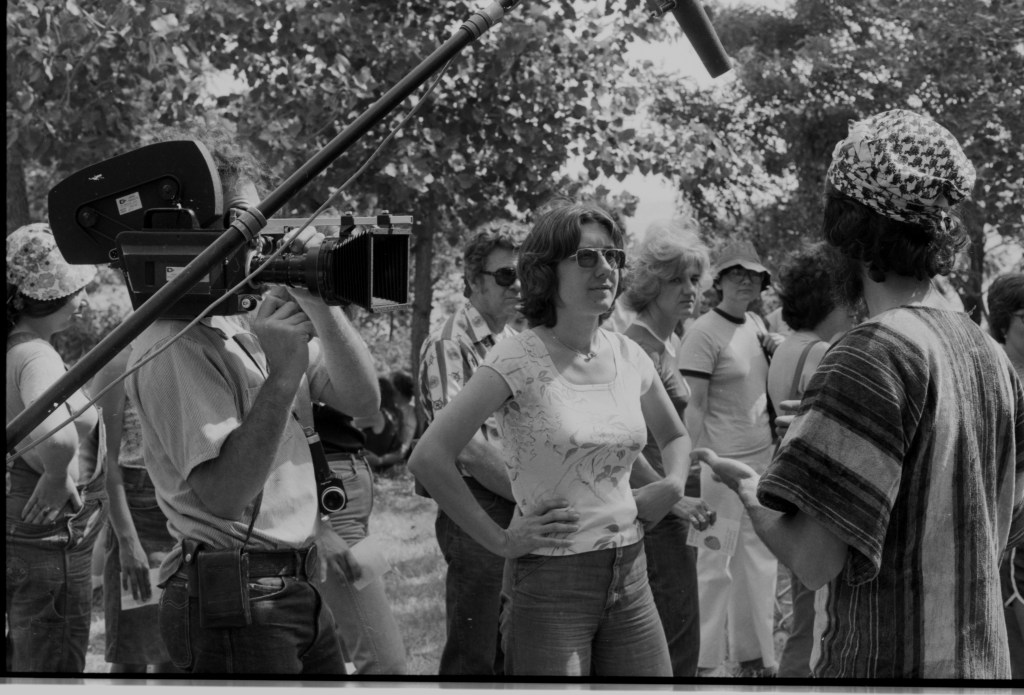
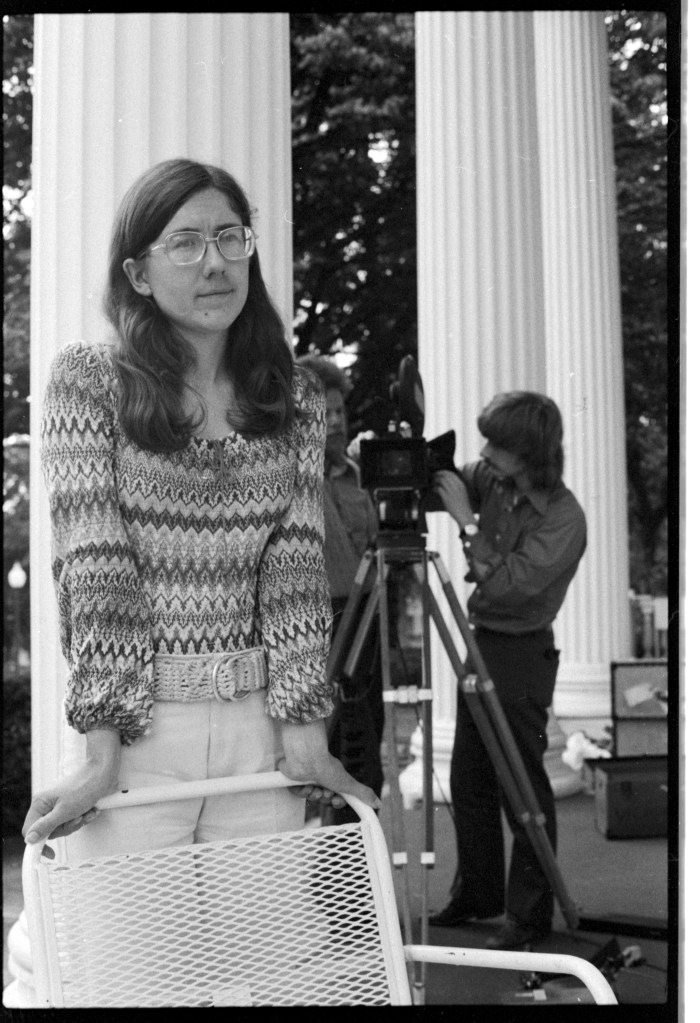
While all of her films are known to be exceptional, it is her early films that are my favorites. “Growing up Female,” “Union Maids” and “Seeing Red” are scrappy, gritty and direct, like her. They’re filled with vibrant, intelligent and powerful people who aren’t afraid to express their points of view and share their stories. The movies feature killer soundtracks, how-the-hell-did-you-find-this archival footage and camera and editing choices that I hope to emulate in future projects. Julia’s films exemplify, in my opinion, the phrase that every film funder loves to tout: “Something we’ve never seen before,” which is still true, even decades after they were made.

“Growing up Female” may be the film that I connect with the most. I was barely a few minutes into watching it before I found myself yelling at the screen, “Well what if it doesn’t work out, this so-called idealization of marriage? Or what if your husband makes stupid decisions. Or worse, What if he never even appears?” As outraged as it made me when a factory supervisor in the film says, “The very nature of a woman is such that it makes her wishing to get married,” I may sadly on some level sort of believed it. When a very bright young woman in the film says that she watches older women fearing that they’ll lose their looks (and she fears the same,) I wonder if I might be one of the older women she is referring to. It is the incredibly nuanced and complex truth that Julia gets to in this film and all of her films that always hits me hard.

Like many others have noted, I am deeply moved by the space Julia makes for her Subjects to speak in these early films, her knack for getting out of their way so that they can authentically express themselves. One gets the sense that she is really fascinated by the people she interviews — and therefore we should be too. I am equally impressed by camera placement, the juxtaposition of editing choices and her exceptional framing of story. I am most moved by the intimacy of the camera and the use of her close ups. Through this technique, we get to better understand the Subjects as they get to better understand and know themselves. We can see the experience of their self-discovery and the formation of perspective unfold right before our eyes. While I am watching, I vow to never forget this when making my future films: discovery, discovery, discovery, in real time, is the best act in town.

These days I find myself complaining as much as creating. It’s so hard to get the money for the movie, it’s so hard to make the movie, it’s so hard to get distributors to pay attention to the movie and on it goes. I wish I could redirect my frustration into gratitude for what Julia and other such mentoring filmmakers have done for me (near or far as the case may be,) grumbling less and working more. It is hard for me to imagine Julia traveling around the country on a Greyhound bus with a 16mm print of her first film, camping out on a fellow activists’ couch, speaking to whomever would listen and using “Growing up Female” to help build a movement. I’m on a planes far more than buses to share my film and that is tedious enough. As I think about Julia’s tirelessness, tenacity and zeal, I wonder how she managed to never to give up. It occurs to me that Julia may have been traveling on that Greyhound bus in part so that someday I would not have to.  

But this is the kind of generosity that persists among filmmakers in the New Day collective, the distribution co-op that Julia co-founded and that I am so fortunate to be a part of today. The type of kindness that has prompted mentor filmmakers to watch multiple drafts of my recent feature, offering detailed notes and an inordinate amount of support to get it from awful to award winning. Filmmakers who let me crash on their couches when I passed through their cities, filmmakers who let me know that I wasn’t creating work up to par, filmmakers who just made damn good movies.  I wonder if she had an inkling that in addition to her daughter and grandkids and all of her films, that so many filmmakers to come after her, particularly those of us in the New Day Films collective would be a part of her remarkable legacy.

Julia talks a lot about voice, about how she came to understand she had something to say through uplifting workers’ voices and experiences like the voices of her family and community. This got me thinking about my voice as a BIPOC Jewish female filmmaker and is helping me reach for the courage to use it. I am grateful for Julia’s commitment to herself, to finding and developing her unique and powerful filmmaking voice and her indirect encouragement that I continue honing my own. However, this is only one thing I would thank her for. I can appreciate who Julia is and has been, both privately and publicly. I can thank her for her brilliant body of work and for the impact it has had on so many. Most of all I would like to thank Julia for co-creating New Day, and inadvertently connecting me to such amazing filmmakers and helping me become the kind of filmmaker I want to be. ____________________________________________________

Julia Reichert passed away surrounded by family on December 1, 2022, after a long battle with cancer. May her memory be for a revolution, Rest in Power.