
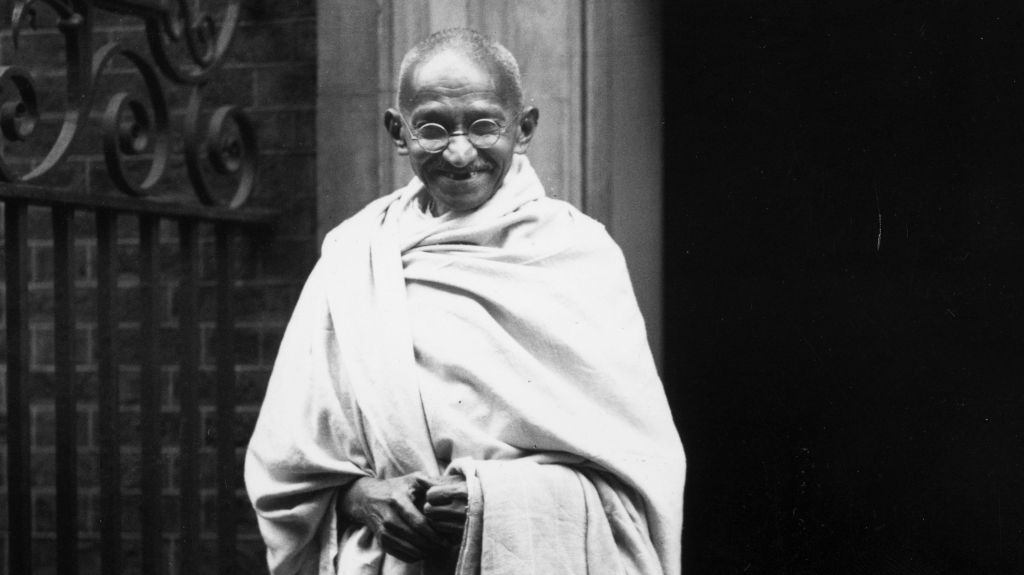
Years ago, when I moved to Los Angeles, I remember getting into a debate with an industry colleague about the impact of Mahatma Gandhi. He argued that the only reason anyone ever knew who Mahatma Gandhi was was because of the success of the movie made about him. I remember being outraged by this suggestion, arguing back that Gandhi was (and still is!) one of the greatest human rights activists of all time, a person who moved millions, whose leadership changed laws, conquered British colonial rule, inspired generations of activists and changed the face of social justice.
How could you compare the impact of the man’s actual life to the movie of his life? I vaguely remember my friend yawning and asked me where I learned the most about Gandhi. I told him I had read his autobiography, which I had. What I didn’t tell him was that I saw the movie first as a kid. I didn’t tell him that I remember the other kids I saw it with, that I remember the intermission in the theater, how absolutely astounded by Ben Kingsley’s performance I was, or that I remembered the last words of the film; that good always triumphs over evil. I didn’t share that the shot of the people marching to the sea to make salt may be permanently fixed in my brain.
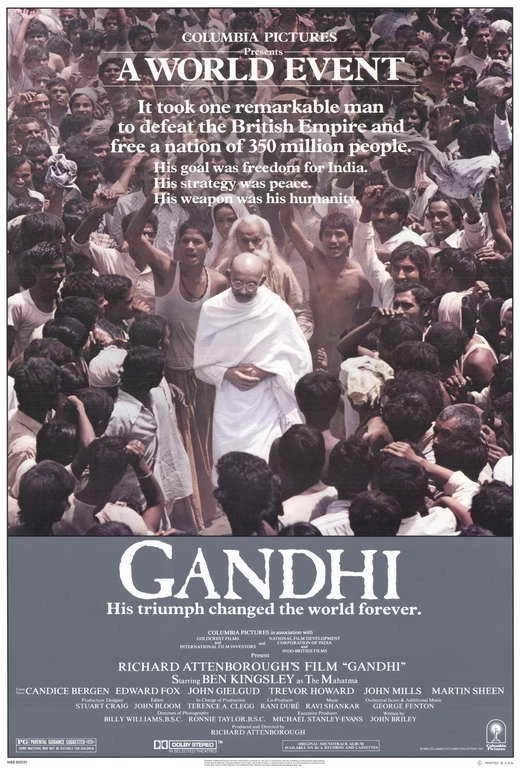
As we approach our next production shoot date of May 1st, I’ve been binge watching protest films in preparation of the shot list to film the family closing scene and the International Workers Day March that will correspond with marches across the Globe.
I’m under no illusions that a movie is anything more or less than a movie. But then again, if seeing a film, any film, means that more people pay attention, may connect with their own sense of compassion and as a result take action towards what they know is right, well then I just might believe that film is the most powerful kind of storytelling there is. I’m hopeful, that America’s Family will do for at least a few people what so many other films have done for me; teach and inspire.
xo anike

 mixedoperations.com